
Genus guide
Growing nobile Dendrobium orchids in New Zealand
Nobile types have upright canes and flowers that sit along the cane, close to the stem. They grow hard in spring and summer, then need a cool, dry winter rest to flower.
Got tall canes with long sprays of flowers at the top? That's a Phalaenopsis type, which needs warmth all winter. Ask a grower at our next meeting if you're not sure which you have.
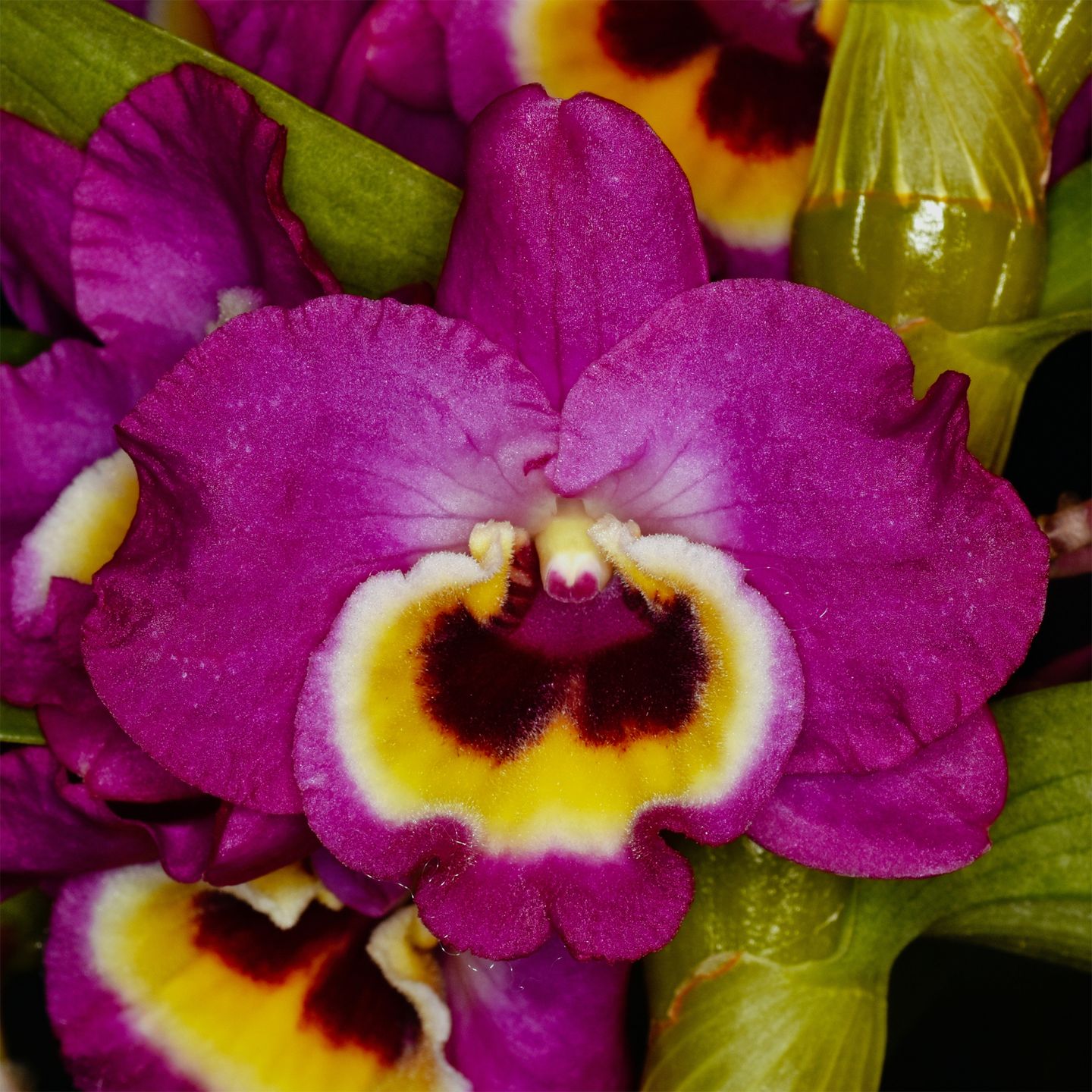
Dendrobium Red Emperor 'Prince' HCC/NZOS
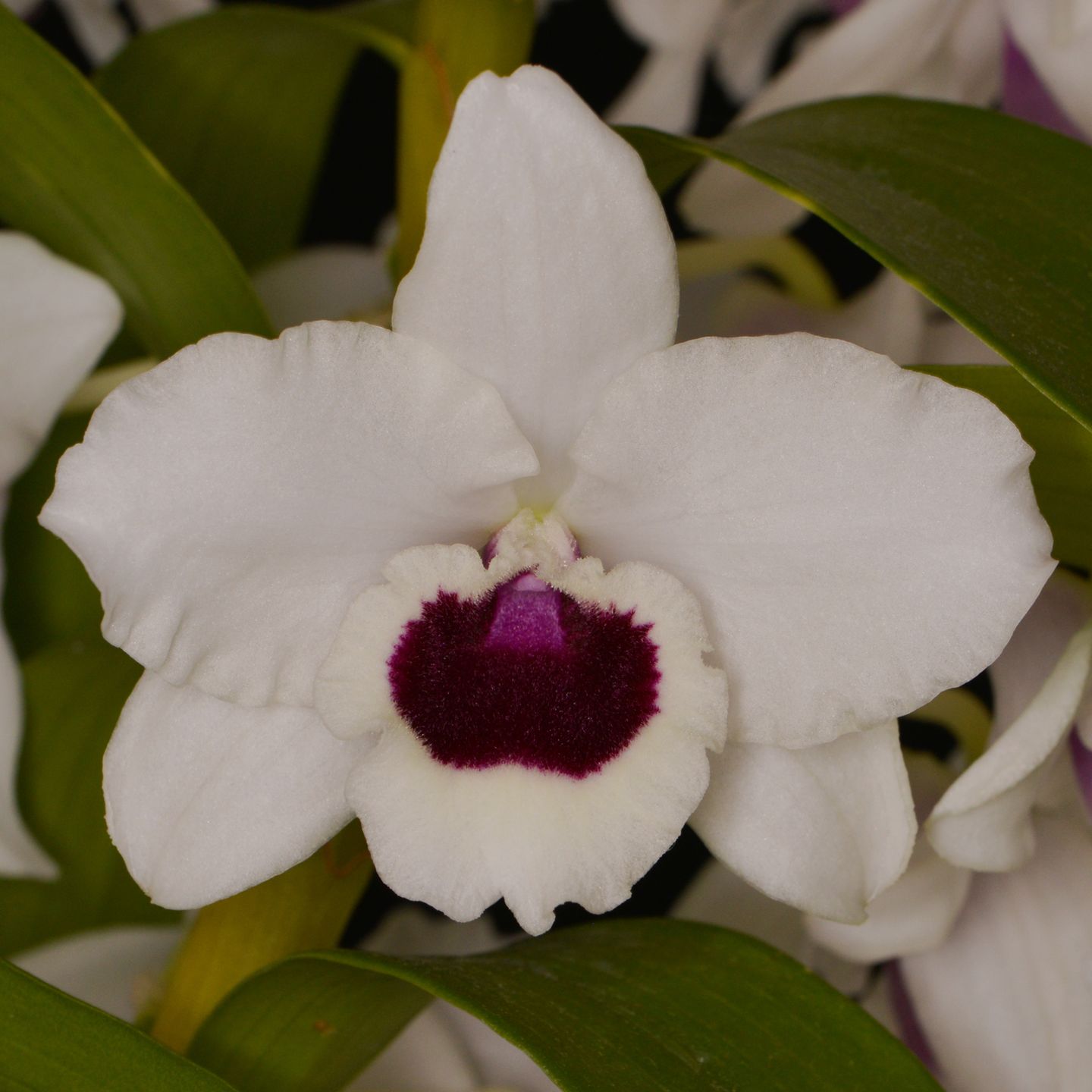
Dendrobium Yukidaruma 'The King' CC/NZOS
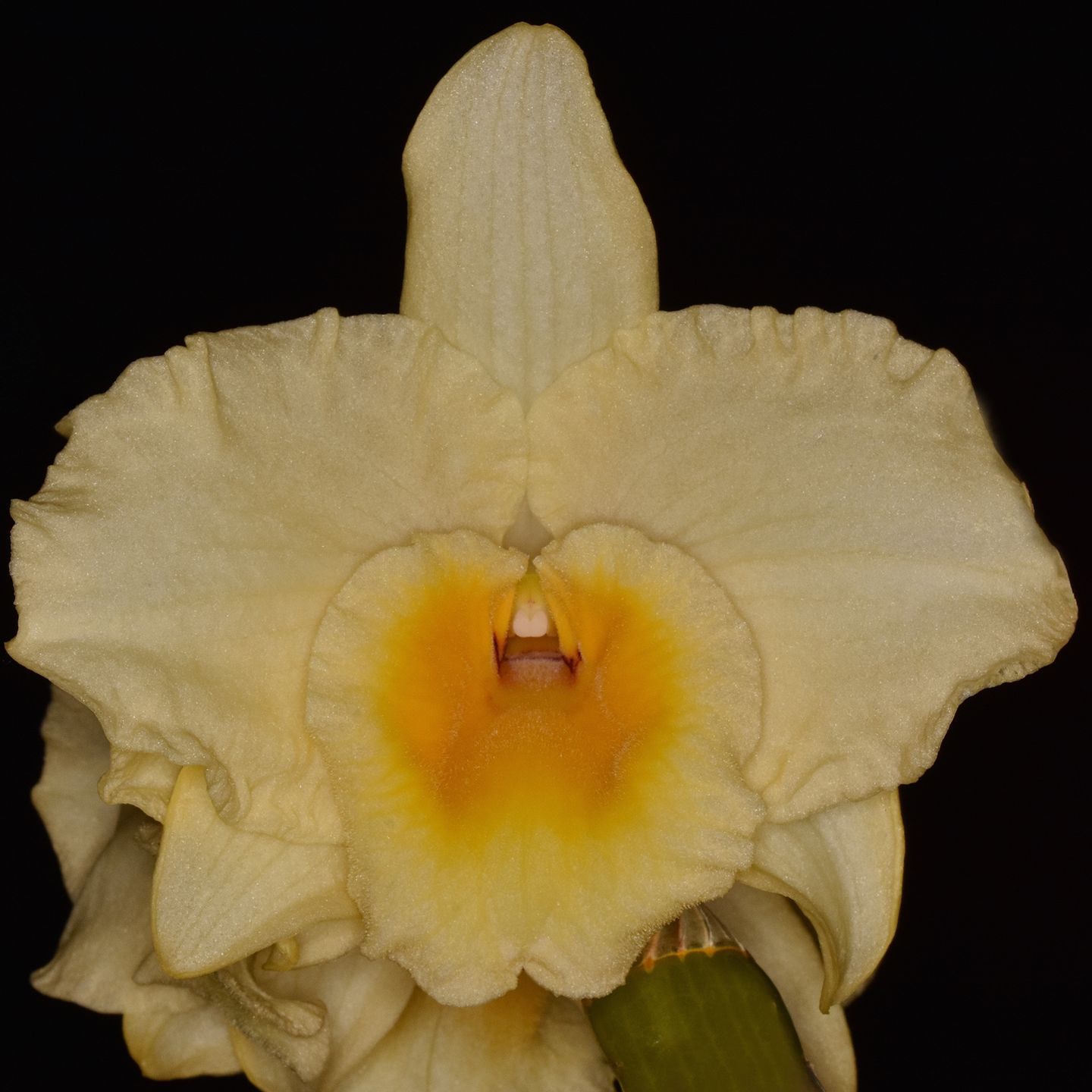
Dendrobium Good Luck 'Kirara' AM/NZOS
September to November
Spring
- Flowers finish, new growth starts
- Start watering more once new shoots show
- Start feeding weekly
- Repot now if needed
December to February
Summer
- Peak growth, new canes build up
- Keep the mix evenly moist
- Feed weekly
- Bright light, shade from hot midday sun
March to May
Autumn
- New canes finish growing
- Water less and less
- Feed weaker and less often
- Let cool nights reach the plant
June to August
Winter
- Rest: cool, bright and dry
- No feeding in June and July
- From August, water and feed a little more as buds swell
- Protect from frost
Light
Nobile types like bright light all year. Morning sun is good. Shade them from hot midday sun in summer.
Many growers keep them outdoors in a sheltered, bright spot from spring to autumn. Too little light gives soft canes and few flowers.
Temperature
Summer: warm days are fine, with good air flow on hot days.
Autumn and winter: cool nights of about 5°C to 10°C help set flower buds.
Protect from frost. A plant kept warm all winter often makes baby plants (keikis) instead of flowers.
Most important
Watering and the winter rest
Spring and summer: keep the mix evenly moist while the new canes grow.
Autumn: once the new canes finish, water less and less.
Winter: keep the plant almost dry. Water lightly only if the canes start to shrivel. Start watering again when new shoots or flower buds show.
Humidity and air
Aim for 50% to 60% humidity while the plant grows. Indoors, stand pots on a pebble tray, with the pot base above the water.
Keep air moving all year. Still, damp air causes problems, mostly in a cool winter.
Feeding
Feed once a week in spring and summer with SuperThrive Grow 7-9-5. Mix 1 mL into 1.5 litres of water.
In autumn, feed weaker and less often. Stop in June and July. Start again in August as the flower buds swell.
Potting
Repot in spring after flowering, when new shoots start. Use a small, shallow pot and coarse bark. Keep the mix open and free-draining.
Do not cut off old canes, even when they lose their leaves. They store food and can flower again. Remove baby plants (keikis) once they have roots.
Pests
Aphids and scale are the main pests. Also watch for mealybug and spider mite. Check under leaves and along the canes, and treat early.
Spray for scale in October and February, but not while flower buds are showing.
Clean your cutting tools between plants. Virus spreads on blades and has no cure.
Diseases
Most disease starts when the mix stays wet and the air is cold and still. This is why the dry winter rest matters.
If a cane or leaf turns soft or black, cut it off with clean tools and keep the plant drier for a while.
Ask a grower
See nobile Dendrobium up close
Our monthly meetings are a good place to see well-grown nobile types and ask questions.
Keep learning
Care notes for other orchid types, indoor growing tips and where to buy supplies.