
Growing Catasetum Orchids in for New Zealand
Catasetum is a deciduous orchid with bold, waxy flowers and thick pseudobulbs. This orchid has a clear growing season and a clear rest season. In New Zealand, Catasetum orchids grow through spring and summer, then rest in autumn and winter. Most plants flower before they drop their leaves and enter dormancy.
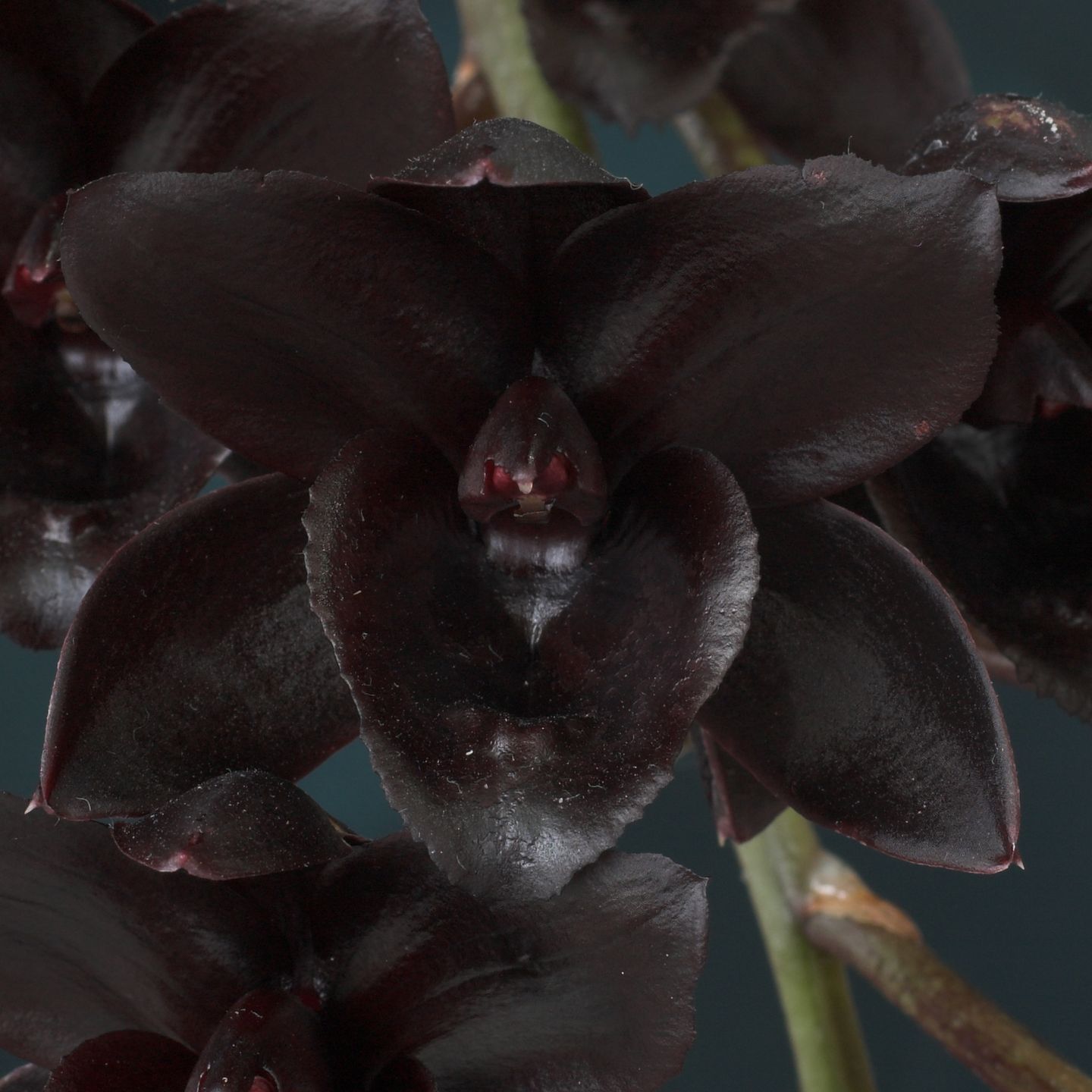
Fredclarkeara After Dark 'Francis' AD/NZOS
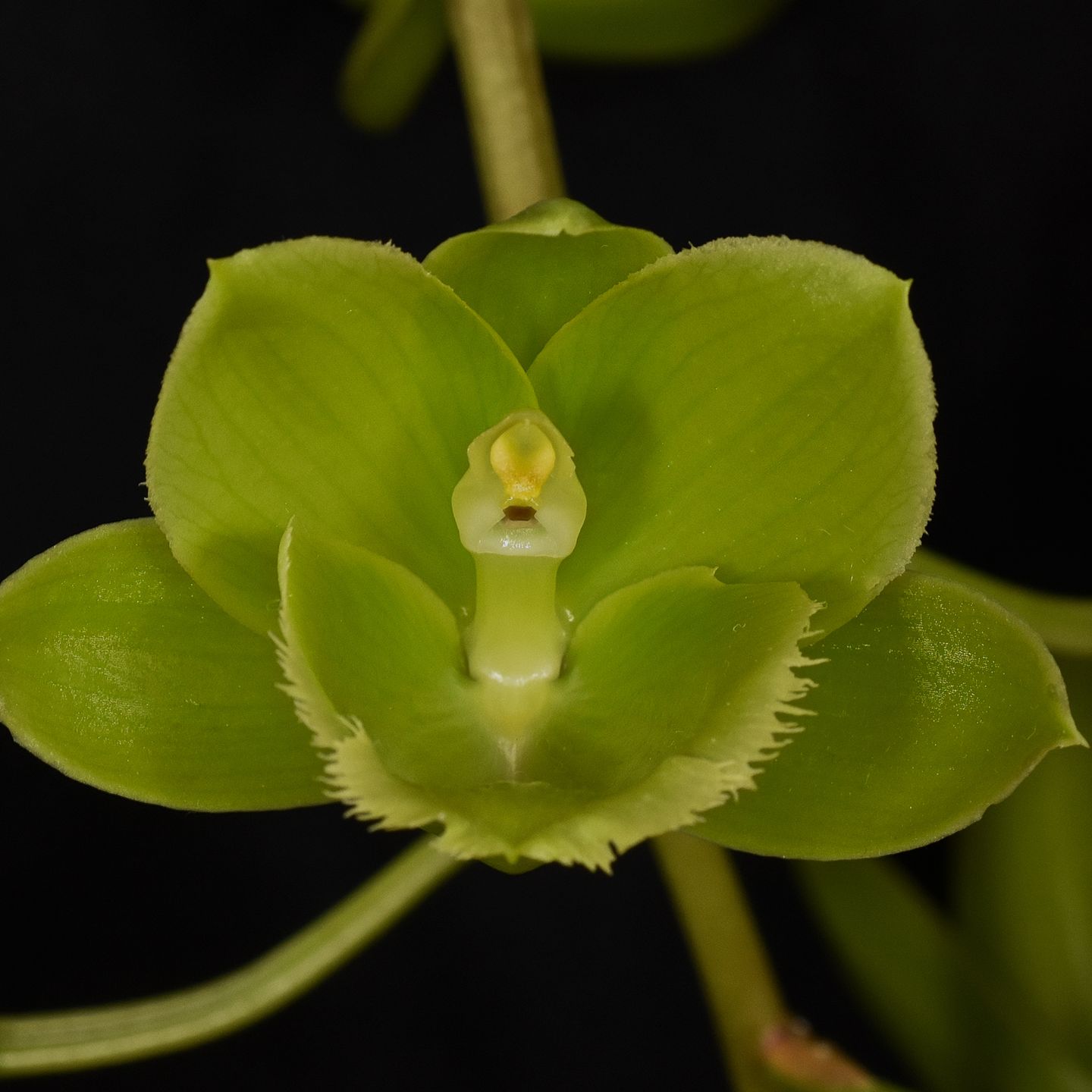
Fredclarkeara Turning Point 'Green Goddess' AM/NZOS
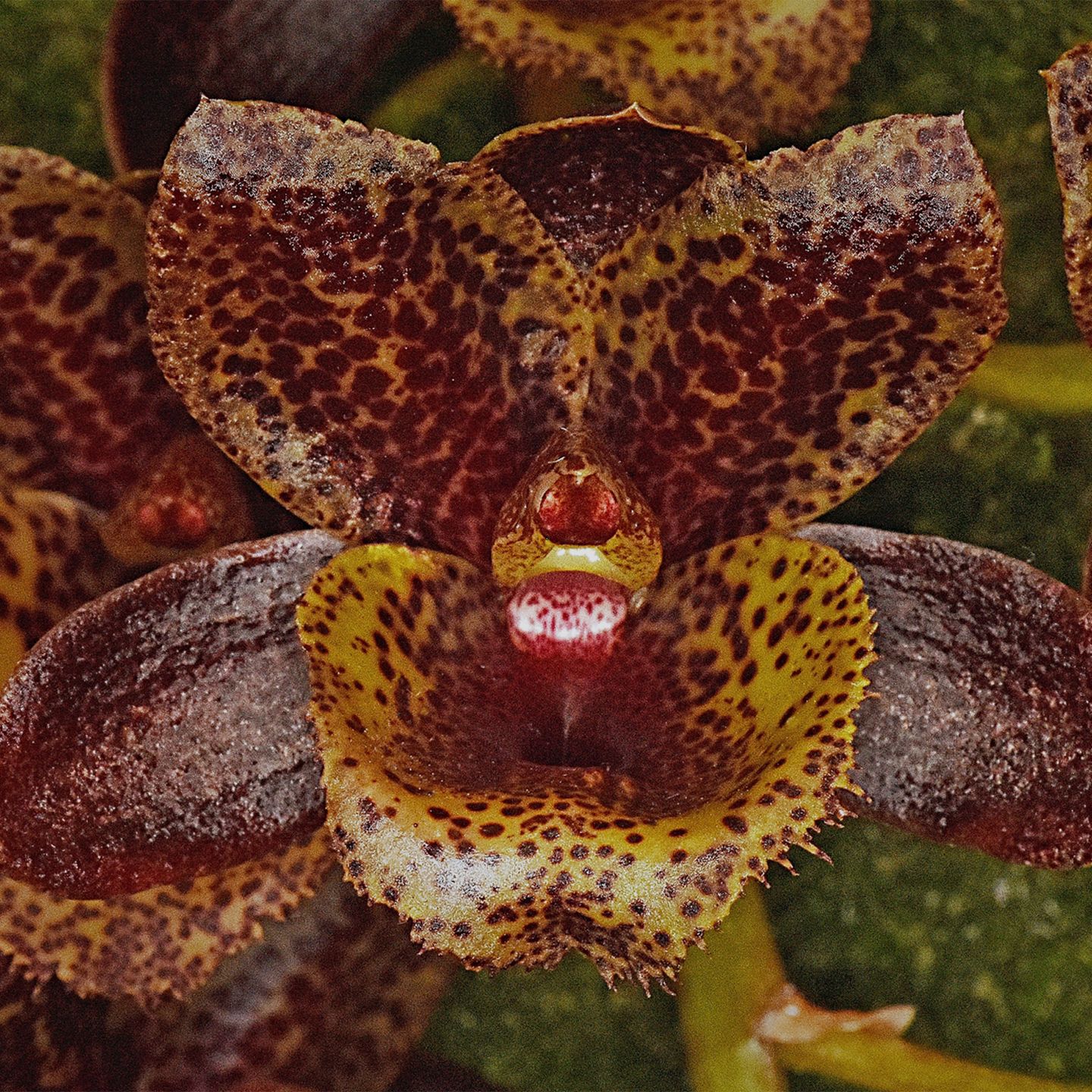
Fredclarkeara After Dark 'Korean Dragon' AM & CC/NZOS
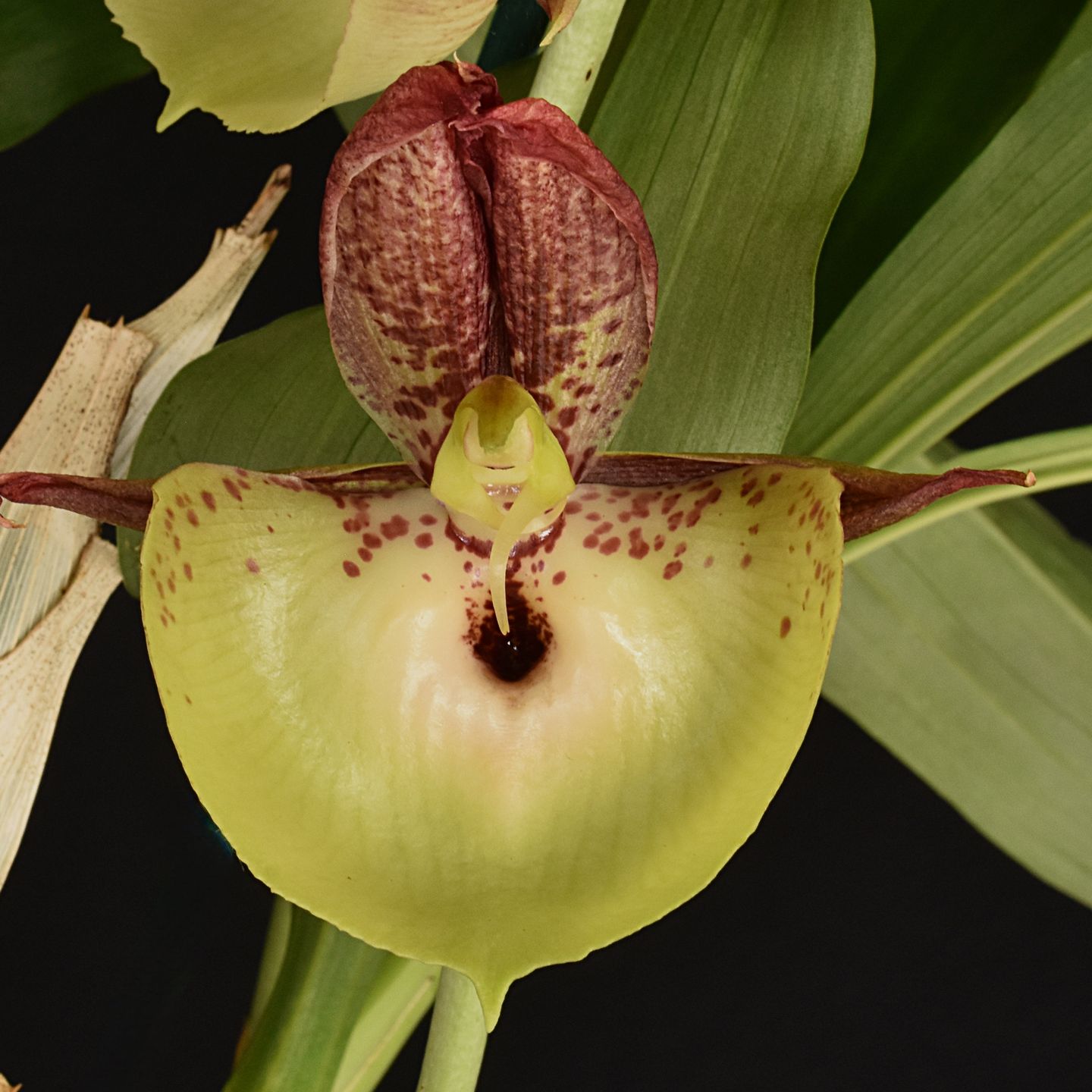
Catasetum Christine Chowning 'Ronnie' AM/NZOS
Light for Catasetum Orchids
Catasetum orchids need strong light. In early spring, when new shoots begin, light can be moderate. As growth becomes strong through late spring and summer, light levels should increase.
Give bright filtered light or up to half to three-quarters full sun. As pseudobulbs mature in late summer, slightly increase the light to harden growth. Avoid deep shade, as this reduces flowering.
Temperature Requirements for Catasetum Orchids
Catasetum orchids prefer warm conditions during active growth from spring to late summer.
- Day temperatures: 27°C to 38°C
- Night temperatures: 16°C to 18°C
After growth matures in early autumn:
- Day temperatures: 21°C to 29°C
- Night temperatures: down to 13°C
In winter dormancy, keep plants cool but frost-free. They must not be exposed to cold or wet conditions.
Watering Catasetum Orchids
Water is important during active growth. From spring, when new leaves form, water heavily. The plant must store water in its pseudobulbs during this time.
Keep the potting mix moist during spring and summer. As the pseudobulb matures in late summer, reduce watering slowly. Leaves will yellow and fall in autumn.
When the plant is dormant in winter, stop watering completely. Only give a small amount of water if the pseudobulbs begin to shrivel badly. Resume watering when new growth starts in spring.
Humidity Requirements
Catasetum orchids prefer humidity between 40% and 60%.
In homes, place pots on trays of gravel with water below the pot base. Do not let the pot sit in water. Ensure air movement at all times. Still, damp air may lead to disease problems.
Good air flow helps prevent fungal or bacterial disease, especially in cool conditions.
Fertiliser Options for Catasetum Orchids
Feed Catasetum orchids once a week during active growth using:
- Superthrive Grow 7-9-5
- Superthrive Orchid-Pro 7-8-6
Dilute at 1 mL to 1.5 mL per litre of water.
Apply weekly through spring, summer, and early autumn. In winter, feeding is not required because plants are in a 'dormant stage'.
Regular weak feeding supports strong pseudobulbs and better flowering.
Potting Catasetum Orchids
Repot Catasetum orchids in spring when new growth begins. New roots form quickly at this stage.
Use a free-draining but moisture-holding mix during the growing season. Fine-grade media suit small pots. Medium-grade suits larger pots. Sphagnum moss can be added to the substrate, as it holds water and nutrients well.
Some growers in New Zealand grow Catasetum orchids bare-root during dormancy to keep them dry. Plants can also be grown on slabs of tree fern. This makes winter dryness easier but requires more care in summer to keep moisture up.
Healthy plants may be divided into one mature pseudobulb and will flower on the next growth.
Insect Control
Spider mites are common on Catasetum orchids, especially in warm and dry conditions. Increase humidity and improve air movement to reduce risk. If required, use a suitable miticide.
Disease Control
Fungal and bacterial diseases can occur in still, humid air, particularly in cool weather. Maintain air circulation at all times. Avoid overwatering in winter.
Catasetum orchids suit warm areas of New Zealand or greenhouse growing. With correct light, warmth, and a dry winter rest, they flower well.
Learn More About catasetum Orchids
If they would like to learn more about growing orchids, think about coming to the next NZOS meeting. Meetings are a good place to see well-grown Catasetum orchids, ask questions, and learn simple growing habits that work in New Zealand.
Return to the Orchid Culture Page