
Growing Cattleya Orchids in New Zealand
Cattleya orchids are well known for their large flowers and strong scent. They are popular with many orchid growers in New Zealand. Cattleya orchids grow on trees in nature, not in soil. They have thick roots and swollen stems called pseudobulbs that store water. Good light, correct watering, and a free-draining mix are important for healthy growth and flowering.
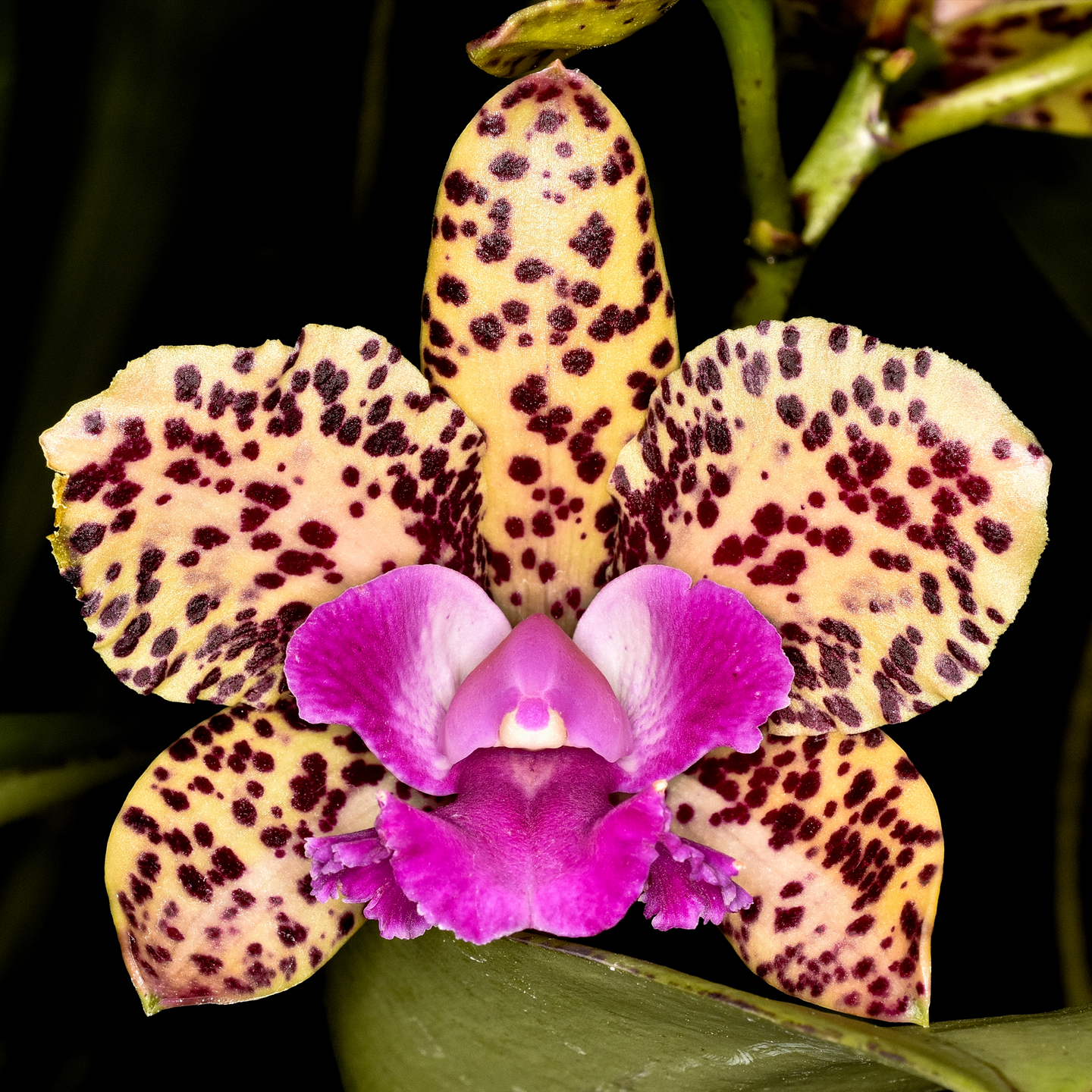
Cattleya Elizabeth Calov ‘Spottyvale’, HCC/NZOS
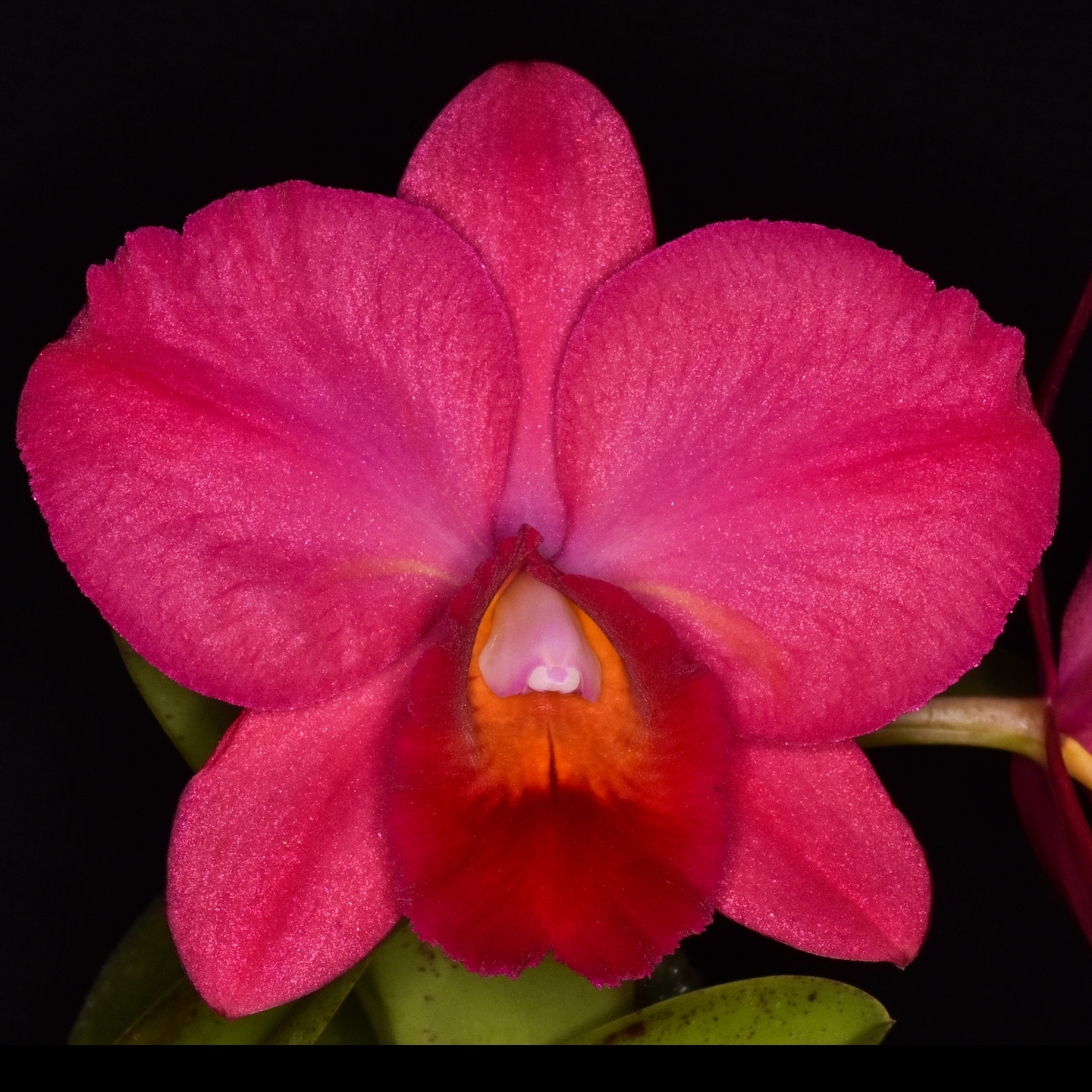
Cattleya Lindy-Lou 'Kumeu', HCC/NZOS
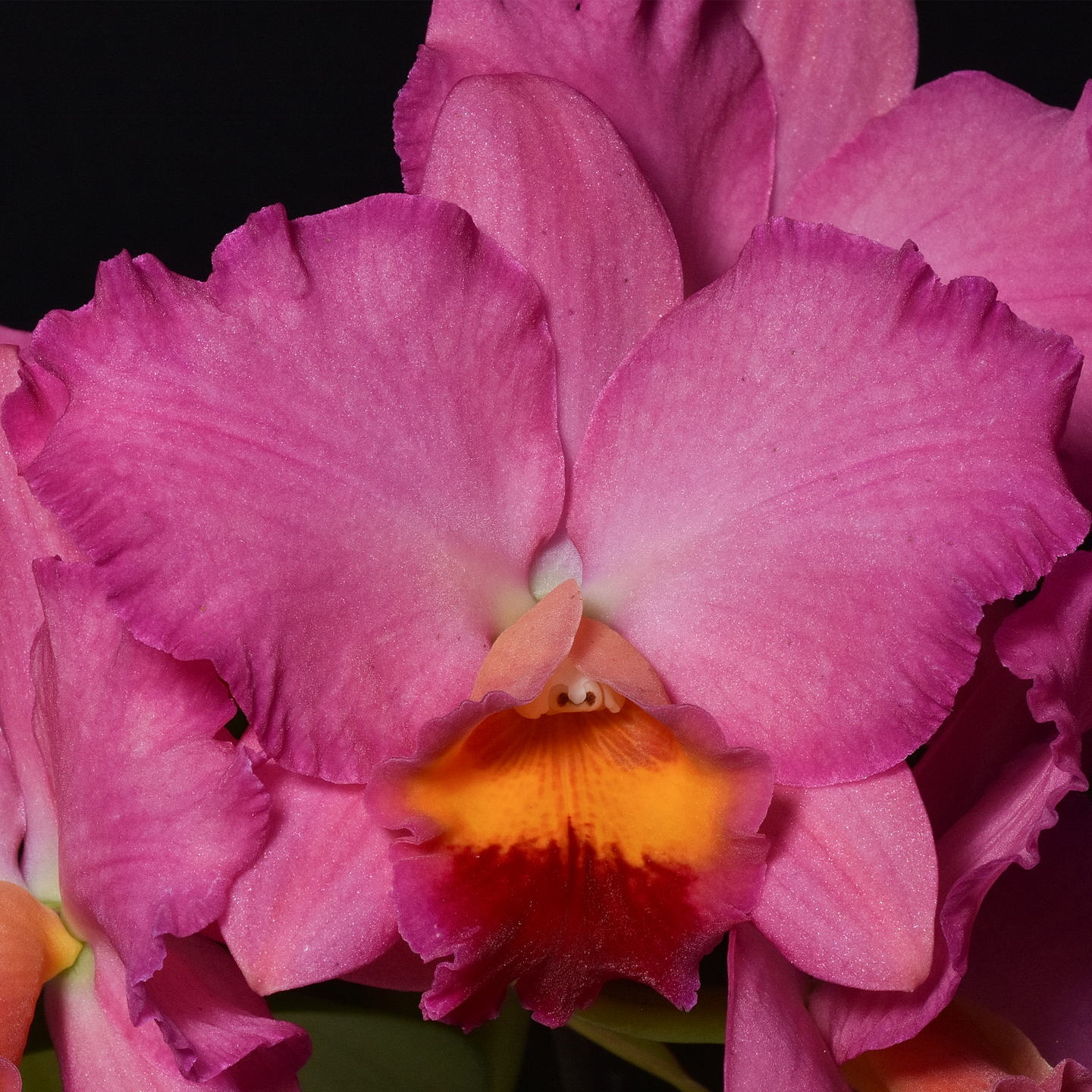
Rhyncattleanthe Life's Charm 'Redvale', HCC/NZOS
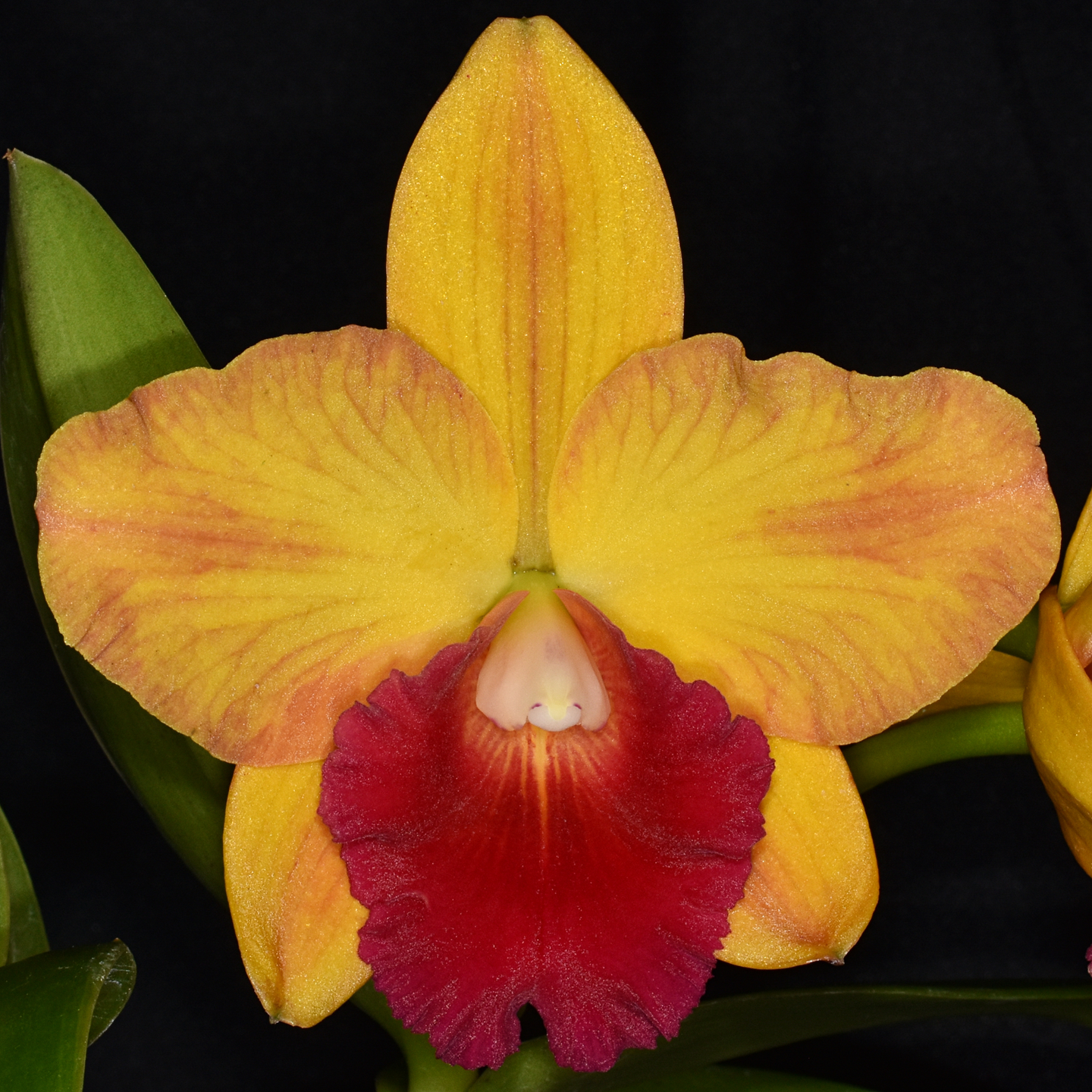
Rhyncattleanthe Bright Spark 'Luscious'
Light for Cattleya Orchids
Cattleya orchids need bright light to flower well. They should receive morning sun or filtered light. Strong midday sun can burn the leaves.
In New Zealand, an east-facing position is suitable. A shaded north-facing position can also work if the light is filtered. Leaves should be medium green. Very dark green leaves can mean the plant needs more light. Yellow leaves can mean too much direct sun.
Good air movement is important, especially in summer.
Temperature for Cattleya Orchids
Cattleya orchids prefer warm days and cooler nights.
Night temperatures of 13-16 C are suitable. Day temperatures of 21-30 C are ideal. A drop of 8-10 C between day and night helps flowering.
In winter in New Zealand, protect plants from temperatures below 10 C. Cold water can damage roots. Avoid watering with very cold water in winter.
Seedlings prefer slightly warmer conditions than mature plants.
Water for Cattleya Orchids
Cattleya orchids like to dry slightly between waterings. Their thick roots store moisture.
Water thoroughly, then allow the potting mix to dry before watering again. In summer, watering may be needed more often. In winter, watering is reduced. Plants at rest require less water.
The weight of the pot can help. A light pot usually means the mix is dry. A heavy pot means there is still moisture present. Avoid constant wet conditions, as this can lead to root problems.
Humidity for Cattleya Orchids
Cattleya orchids grow well with moderate humidity. A range of 50-80 percent is suitable.
In dry conditions, humidity trays can help. The pot should not sit directly in water. Good air movement reduces the risk of fungal problems. In winter, indoor heating can lower humidity, so plants may benefit from additional moisture in the air.
Fertiliser for Cattleya Orchids
Cattleya orchids grow best with regular feeding. A balanced fertiliser supports leaf and root growth.
Use either Superthrive Grow 7-9-5 or Superthrive Orchid-Pro 7-8-6.
Dilute at 1 mL to 1.5 mL per litre of water. Feed once each week all year round. In winter, feeding may be less frequent if the potting mix stays wet for longer periods. The interval depends on how quickly the mix dries.
Flush with clear water from time to time to prevent salt build-up.
Potting Cattleya Orchids
Cattleya orchids need a free-draining orchid mix. The roots must have air. Repot when the mix begins to break down or when new growth starts.
Choose a pot that allows space for about two years of growth. Do not over-pot. Remove dead roots before repotting. Place the rhizome near the edge of the pot so new growth has space to move forward.
Kiwi Orchid Bark and Orchid Potting Mix are available from Bio Leaf. See Bio Leaf Premium Orchid Potting Mix and Kiwi Orchid Bark.
Insect Control
Cattleya orchids can be affected by scale, aphids, and mealybugs. These insects hide on leaves and around the base of the plant. Check plants often.
Remove insects early by wiping leaves or using an appropriate insect control product. Good air movement and clean growing areas reduce pest pressure.
Disease Control
Root rot can occur if Cattleya orchids stay too wet. Fungal problems may appear in cool and damp conditions.
Use clean tools when dividing or repotting orchids. Avoid water sitting in leaf sheaths. Ensure the mix drains freely. Good hygiene reduces disease risk.
Cattleya orchids reward steady care. With correct light, temperature, and feeding, they flower well in New Zealand conditions. If you would like to learn more about growing orchids, consider attending one of our meetings. New members are welcome.
Learn More About Cattleya Orchids
If they would like to learn more about growing orchids, think about coming to the next NZOS meeting. Meetings are a good place to see well-grown Cattleya orchids, ask questions, and learn simple growing habits that work in New Zealand.
Return to the Orchid Culture Page