
Paphiopedilum Orchid Care in New Zealand
Paphiopedilum orchids are often called lady’s-slipper orchids. They grow best in steady, mild conditions. The plant does not like strong sun, dry potting mix, or long dry spells.
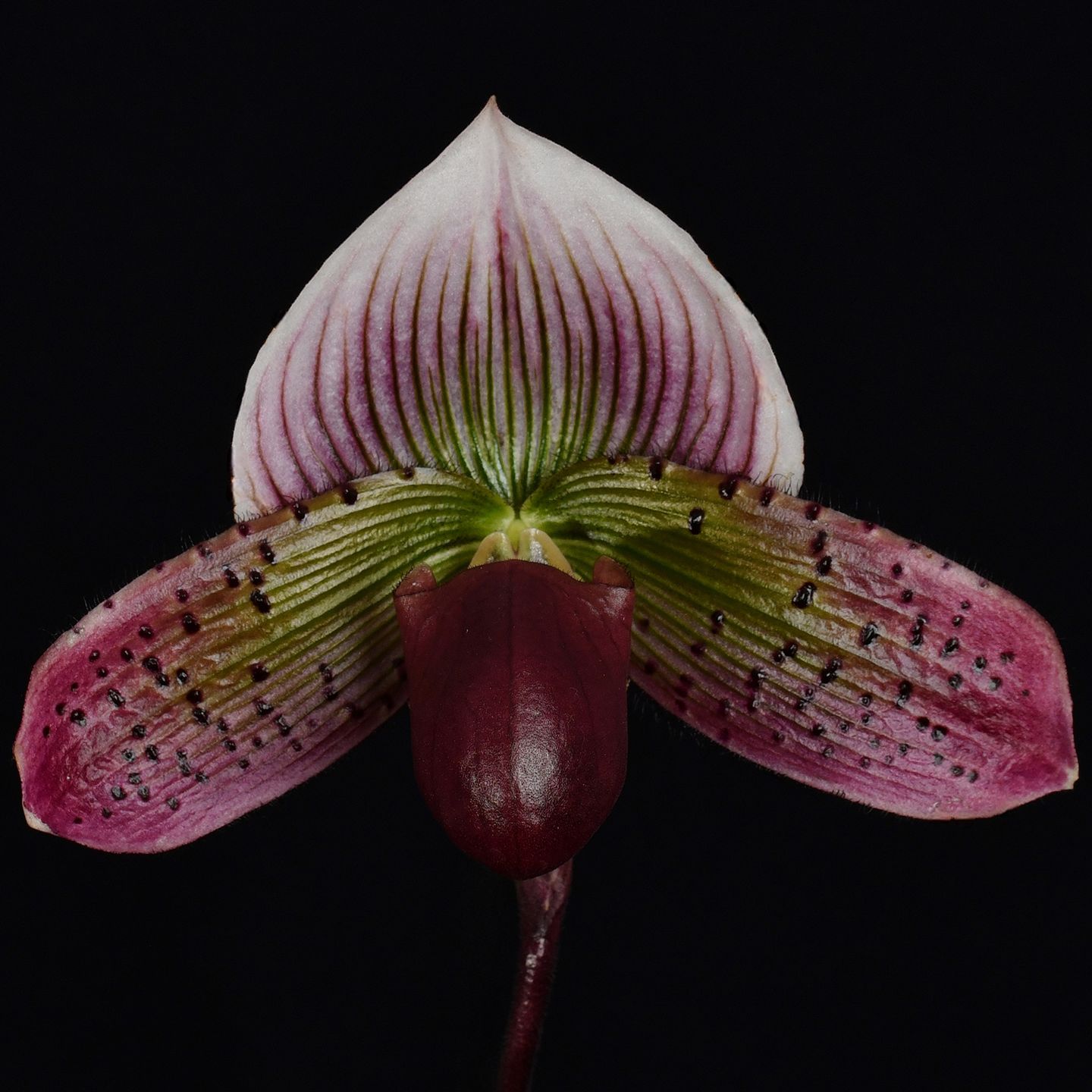
Paphiopedilum Spring Wonder 'Shellnick' AM/NZOS
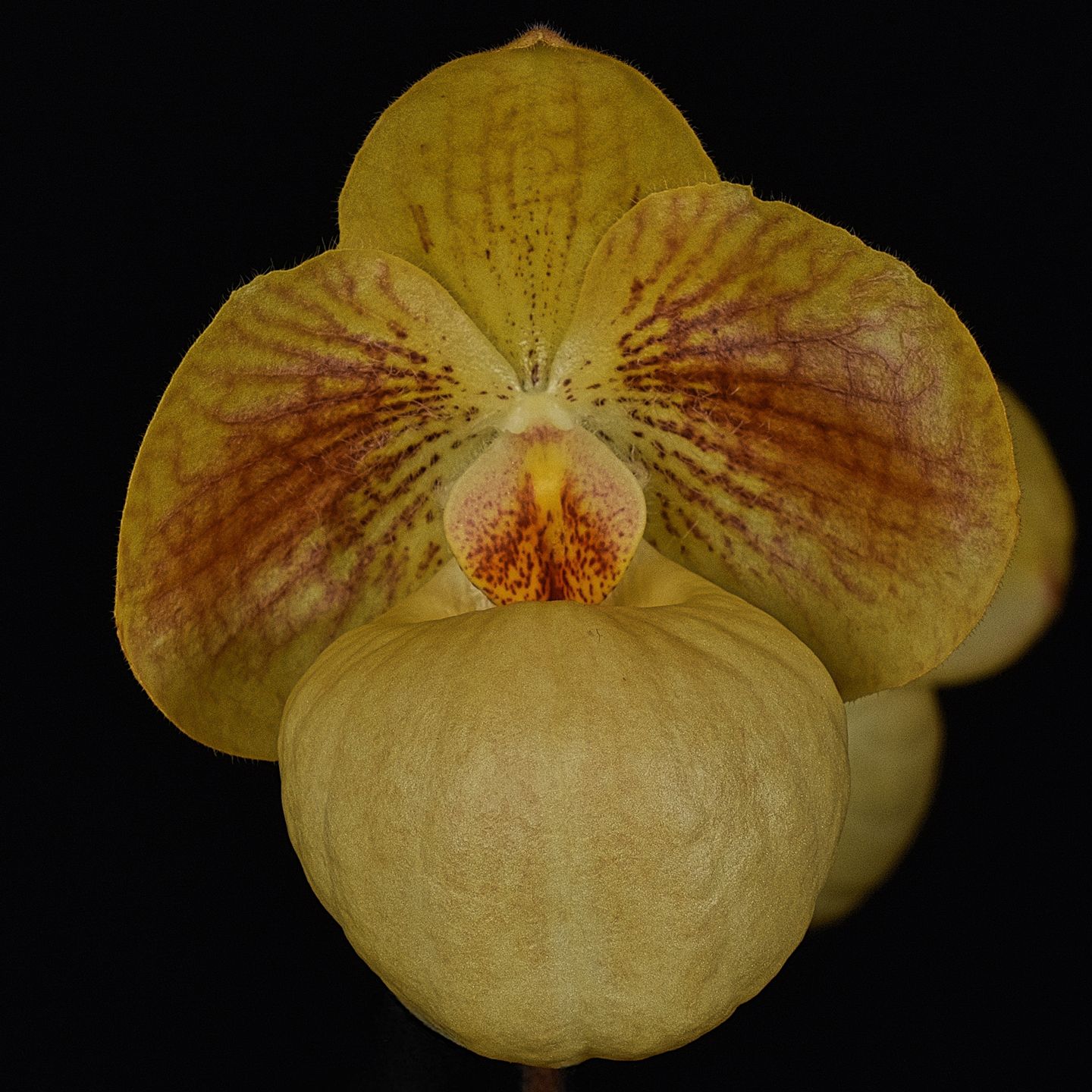
Paphiopedilum Fumi's Delight 'Tony' AM/NZOS
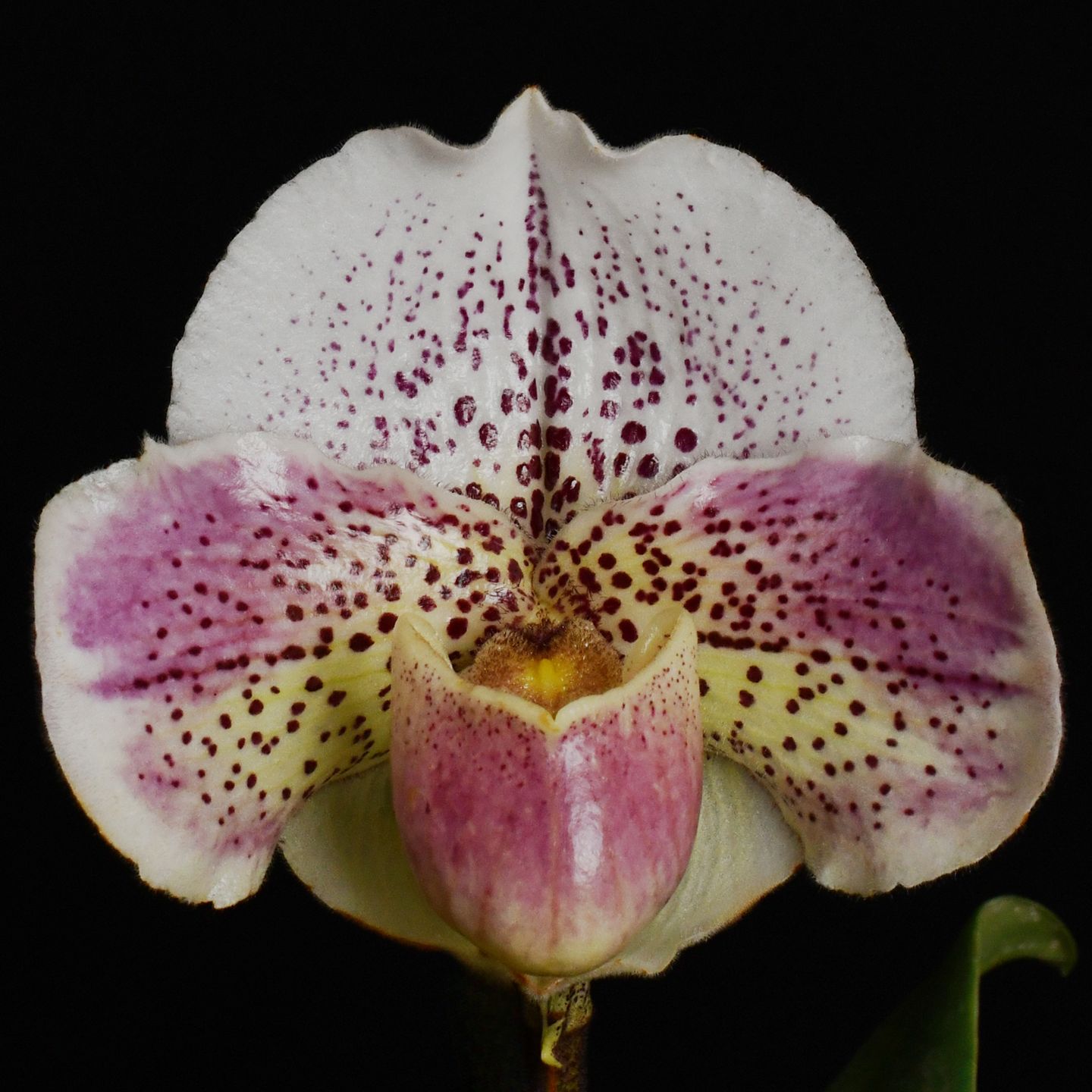
Paphiopedilum Knight Flight 'Shellnick' AM/NZOS
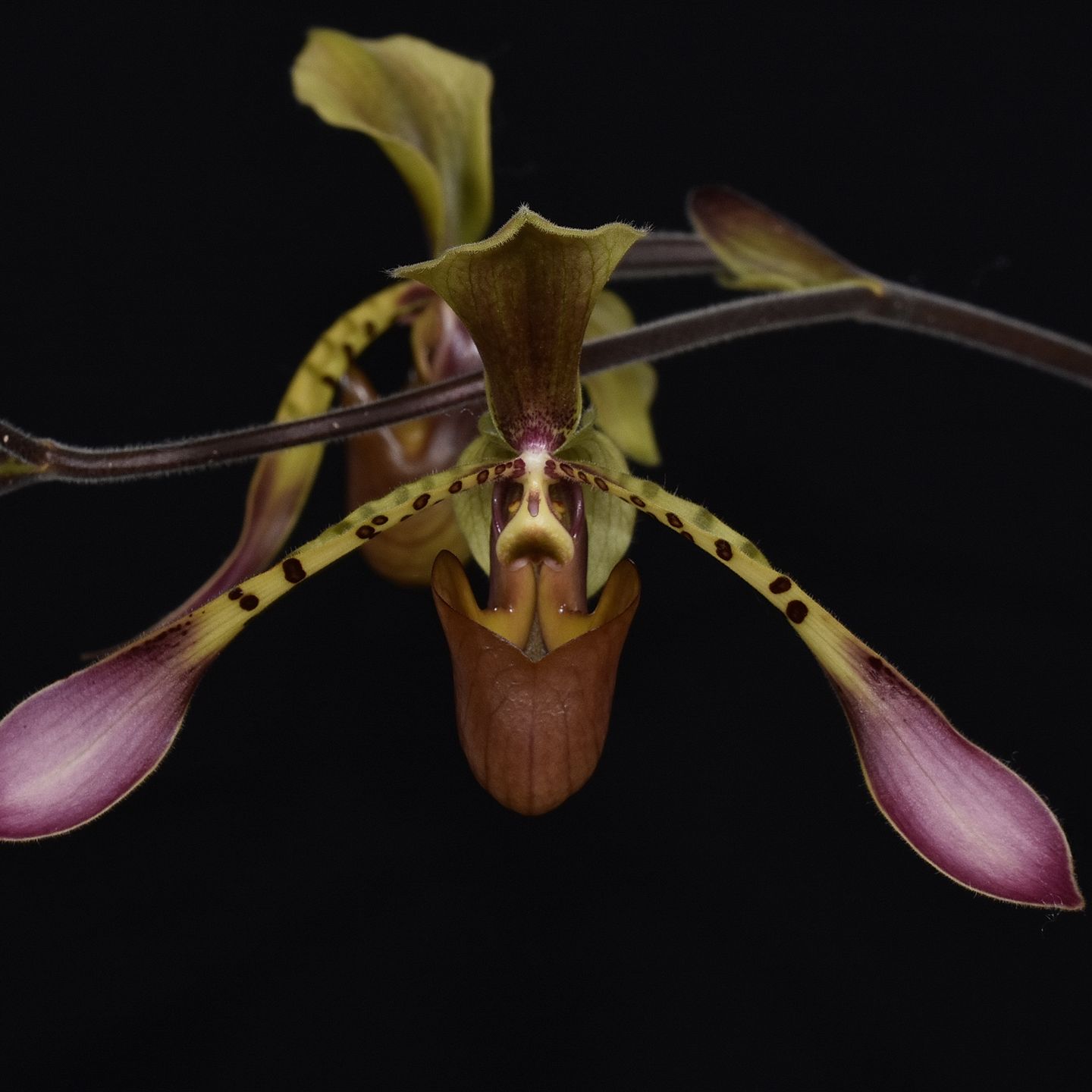
Paphiopedilum lowii 'Webby ‘n Griffy’ AM/NZOS
Light
Paphiopedilum orchids need shade or filtered light. In a home, an east or west window suits best. A bright room is fine if direct sun is blocked. Under lights, the tubes should sit close above the leaves. Too much sun can mark or burn leaves.
Temperature
Paphiopedilum orchids handle a wide range, but they grow best when nights are cool to mild and days are mild to warm. In New Zealand, the plant may need extra warmth in winter (June to August), and extra shade and airflow in summer (December to February). When nights are cold, the plant should be kept drier on the leaves and crown to help stop rot.
Suggested ranges: Warm types: night about 16–18°C, day about 24–29°C. Cool types: night about 10–16°C, day about 24–27°C. Short highs can reach about 35°C, but heat needs more shade, humidity, and airflow.
Water
Paphiopedilum orchids have no pseudobulbs, so they should not dry right out. The potting mix should stay evenly moist, not wet. Water when the top of the mix starts to dry. In many NZ homes, this is about once or twice a week, but it changes with season and potting mix.
Humidity
Moderate humidity suits Paphiopedilum orchids. A simple way is to sit the pot on a tray of gravel with water in the tray, but the pot must not sit in water. Air movement matters, especially in warm or humid rooms.
Fertiliser
A Paphiopedelium orchid can be fed lightly and often. Feed once a week all year round using either Superthrive Grow 7-9-5 or Superthrive Orchid-Pro 7-8-6.
Mix at 1 mL to 1.5 mL per 1 litre of water. In winter, the feeding gap may be longer than 1 week. This depends on how long the potting mix takes to dry out. If the pot stays damp for longer, feed less often.
Once a month, flush the pot well with plain water to wash out built-up salts. This helps protect roots.
Potting
Paphiopedilum orchids should be repotted about every two years, or sooner if the mix breaks down. Smaller plants may be repotted each year. The mix should hold moisture but still drain well.
In New Zealand, suitable options include Bio Leaf Premium Orchid Potting Mix and Kiwi Orchid Bark.
Do not use an over-large pot. The plant should fit a pot that matches the root size, so the mix does not stay wet for too long.
Insect Control
Common pests on Paphiopedilum orchids are mealybugs, scale, aphids, and mites. The plant should be checked under the leaves and around the base. If pests are found, the plant can be isolated, wiped clean, and treated with a suitable orchid-safe spray. Repeat checks each week until clear.
Disease Control
The most common problem is rot, especially in cool weather when the crown stays wet. Water should be kept out of the crown where possible. Good airflow helps. If black or soft rot appears, damaged tissue should be removed, and the plant kept warmer and drier while it recovers.
Learn More About Paphiopedilum Orchids
If they would like to learn more about growing orchids, think about coming to the next NZOS meeting. Meetings are a good place to see well-grown Paphiopedilum orchids, ask questions, and learn simple growing habits that work in New Zealand.
Return to the Orchid Culture Page