
Sarcochilus Orchid Culture for New Zealand Growers
Sarcochilus orchids are native Australian epiphytes that perform well in New Zealand conditions. These compact orchids produce spectacular displays of white, pink, red, yellow, and orange flowers during winter and spring. Their cool-growing nature and shade tolerance make them ideal for NZ gardens, shade houses, and ferneries.
In their natural habitat across eastern Australia, Sarcochilus species grow as epiphytes on trees and lithophytes on rocky cliffs and mountain gullies. This background makes them adaptable to various growing conditions while maintaining consistent preferences for cool, shady environments with excellent air movement.
Modern hybrids combine the best traits of various species, offering larger blooms and extended flowering periods. Popular species for New Zealand include S. hartmannii (small white flowers with red markings), S. fitzgeraldii (larger fragrant flowers), S. ceciliae (requires brighter conditions), and S. falcatus (orange-scented blooms).
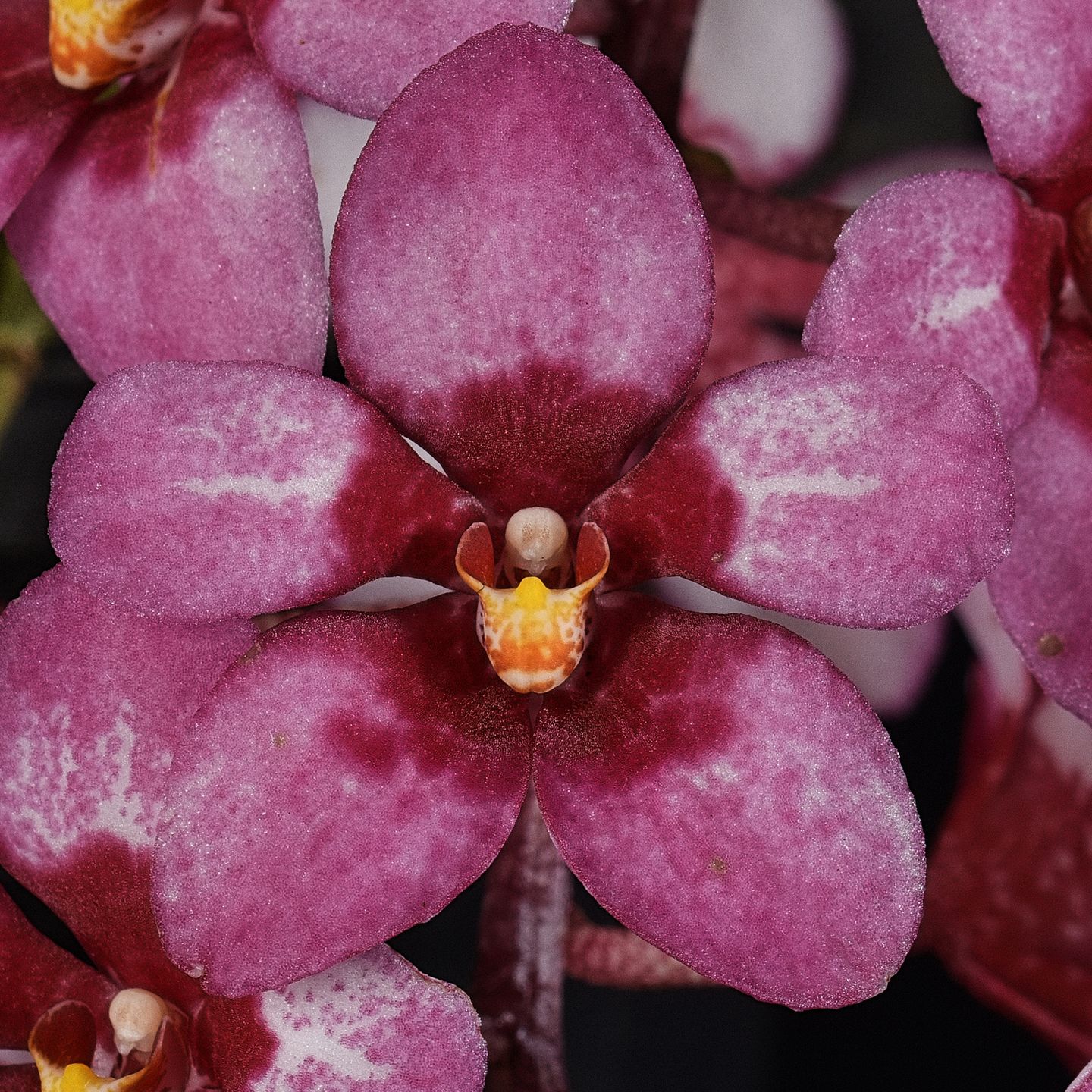
Sarcochilus Kulnura Ballerina 'Waverley' AM/NZOS
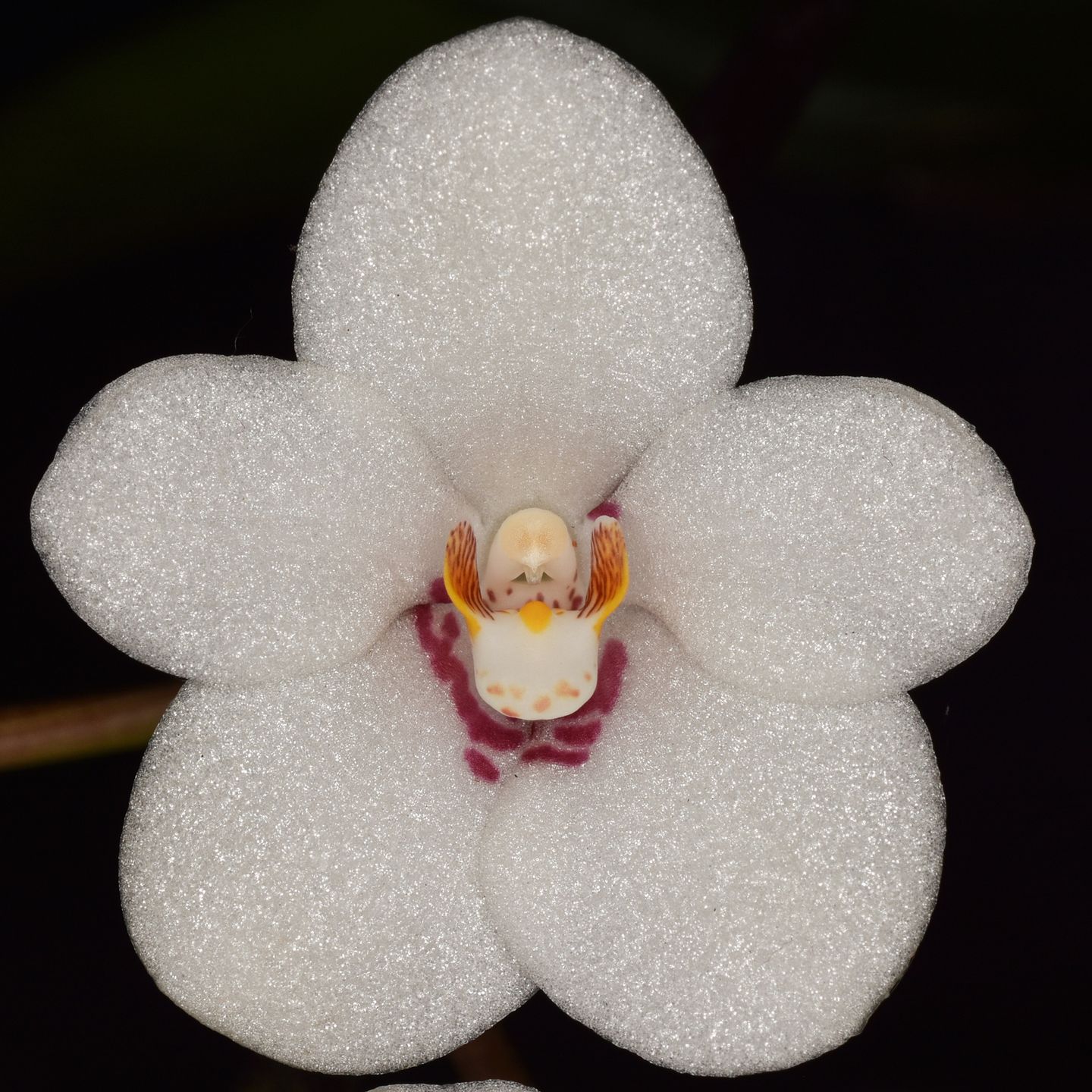
Sarcochilus Dunno Judilly 'Michael' AM/NZOS
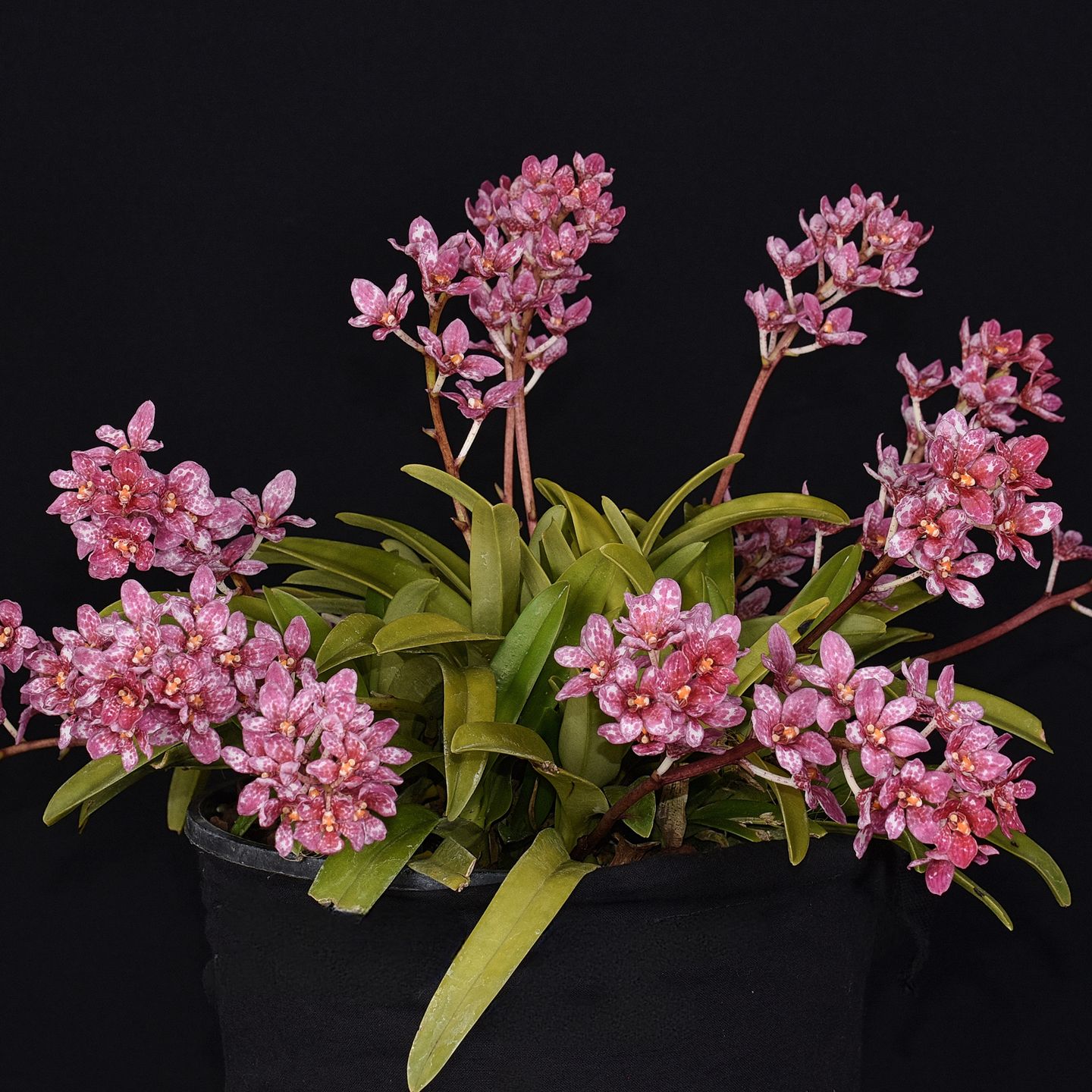
Sarcochilus Fitzhart 'Rosella' CC/NZOS
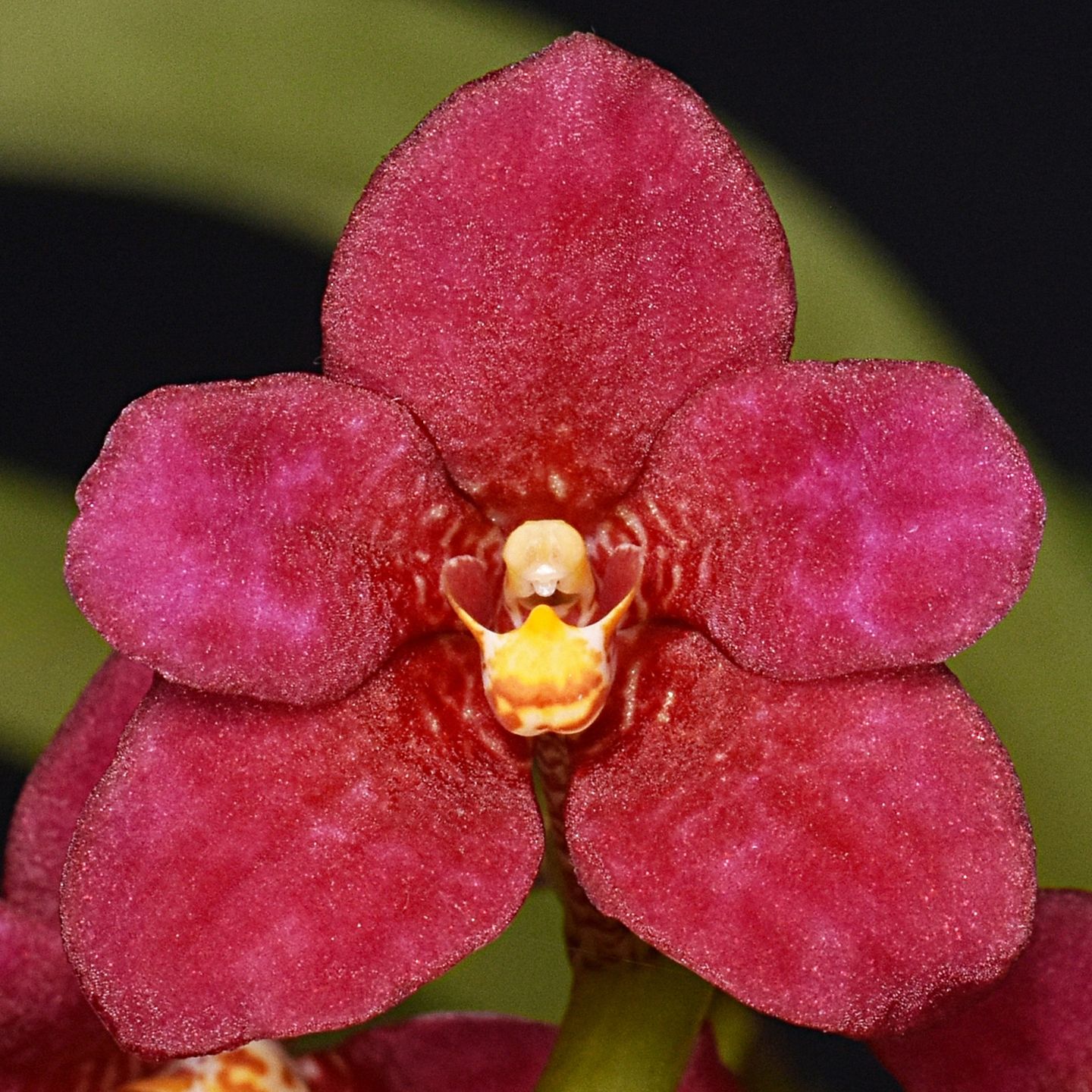
Sarcochilus Sunvale Heidihart 'Emma-Jin' AM/NZOS
Light Requirements for Sarcochilus Orchids
Sarcochilus orchids prefer cool, shaded conditions that mimic their natural tree-dwelling environment. These orchids thrive in low light (10,000-15,000 lux) or 70-80% shade, making them perfect for locations too dim for other orchid types.
Position your Sarcochilus lower in shade houses or ferneries than other varieties. They grow well under benches with minimal direct sun during warmer months. Some species like S. ceciliae and S. roseus prefer brighter conditions and benefit from higher placement where they receive more light.
For indoor growing, east-facing windows or positions with bright, diffused light work well. Avoid direct afternoon sun, which damages these cool-growing orchids.
Temperature and Climate for Sarcochilus
Sarcochilus culture demands cool growing conditions with excellent air movement. New Zealand's temperate climate suits these orchids perfectly.
Summer day temperatures of 15-27°C are ideal, though plants tolerate up to 38°C with increased watering and airflow. Winter night temperatures can drop to light frost levels, with some species surviving down to -2°C.
During NZ summer months (December-February), provide excellent air movement and consistent moisture during hot spells. In winter (June-August), keep plants fairly dry during colder months to prevent root rot.
While many species tolerate light frosts, provide protection during severe winter conditions. In frost-prone areas, move potted plants to sheltered locations during winter.
Water Requirements for Sarcochilus
Proper watering technique proves critical for successful Sarcochilus culture. These orchids require specific wet-dry cycles.
Water your Sarcochilus thoroughly and allow them to dry out completely before rewatering. This mimics their natural environment where roots experience both flooding and drying periods.
During active growth (September-March in New Zealand), maintain frequent watering to support development. In winter when growth slows, watering once each week is ample. The exact interval depends on how long the potting mix takes to dry out.
Use quality water free from excessive salts. Rainwater works excellently for Sarcochilus culture. Town supply water is generally acceptable in most NZ regions.
Humidity and Air Movement
Sarcochilus orchids benefit from moderate to high humidity levels combined with excellent air circulation. Maintain humidity between 50-70% around your plants. The combination of adequate humidity with good air movement prevents fungal issues while supporting healthy growth.
In NZ's often dry indoor environments, use humidity trays with gravel and water. For greenhouse cultivation, natural humidity combined with good ventilation usually provides ideal conditions.
Excellent air circulation remains critical for Sarcochilus culture. These orchids are susceptible to fungal problems in stagnant air conditions. Position fans to create gentle air movement without direct blasts.
Fertiliser Program for Sarcochilus Orchids
We recommend using Superthrive Grow 7-9-5 for your Sarcochilus fertiliser program. This formulation provides balanced nutrition with emphasis on flowering and root development.
Use a dilution rate of 1 mL to 1.5 mL of Superthrive Grow per litre of water. Feed once a week all year round. Unlike many orchids, Sarcochilus grow continuously throughout the year, so maintain feeding during winter months.
In winter, the feeding interval may extend beyond one week depending on how long the potting mix takes to dry out. Monitor your plants and adjust watering frequency based on media moisture, then fertilise at each watering.
Potting Mix and Repotting for Sarcochilus
The potting medium must be extremely open, allowing excellent air circulation around roots while providing outstanding drainage. The medium should retain some moisture without breaking down rapidly.
Recommended mixes include coarse bark chips with tree fern fibre and perlite. Alternative options include coconut husk chips with coarse bark, pure tree fern fibre for mature plants, or the addition of moss for moisture retention in dry conditions.
Many Sarcochilus species excel when mounted on tree fern or cork slabs. Mounting closely mimics their natural epiphytic growing conditions and ensures perfect drainage.
Sarcochilus orchids tolerate repotting at any time. Avoid the hottest summer periods (January-February) or coldest winter months (July-August). Early autumn (March-April) works particularly well for repotting in New Zealand conditions.
Insect Control
Scale insects and mealybugs are the most common pests affecting Sarcochilus orchids. Regular inspection proves essential for early detection.
Treat infestations promptly with horticultural oils or systemic insecticides when necessary. Apply treatments according to product instructions and repeat applications as recommended to break pest life cycles.
Disease Control
Root rot represents the primary disease concern for Sarcochilus culture. This condition typically stems from poor drainage or stagnant air around roots.
Prevent root rot by ensuring excellent drainage in your potting mix and maintaining good air circulation around plants. If root rot develops, repot immediately into fresh, open media and improve growing conditions.
Fungal issues arise in stagnant air conditions. Position fans to create gentle air movement and avoid overcrowding plants. Good cultural practices prevent most disease problems.
Learn More About Sarcochilus Orchids
If you would like to learn more about growing orchids, think about coming to the next NZOS meeting. Meetings are a good place to see well-grown Sarcochilus orchids, ask questions, and learn simple growing habits that work in New Zealand.
Return to the Orchid Culture Page