
Growing Masdevallia Orchids in New Zealand
Masdevallia orchids come from cool, misty mountain areas. They suit cool rooms and many New Zealand coastal climates. They do best when they stay cool, humid, and evenly moist, with good airflow.
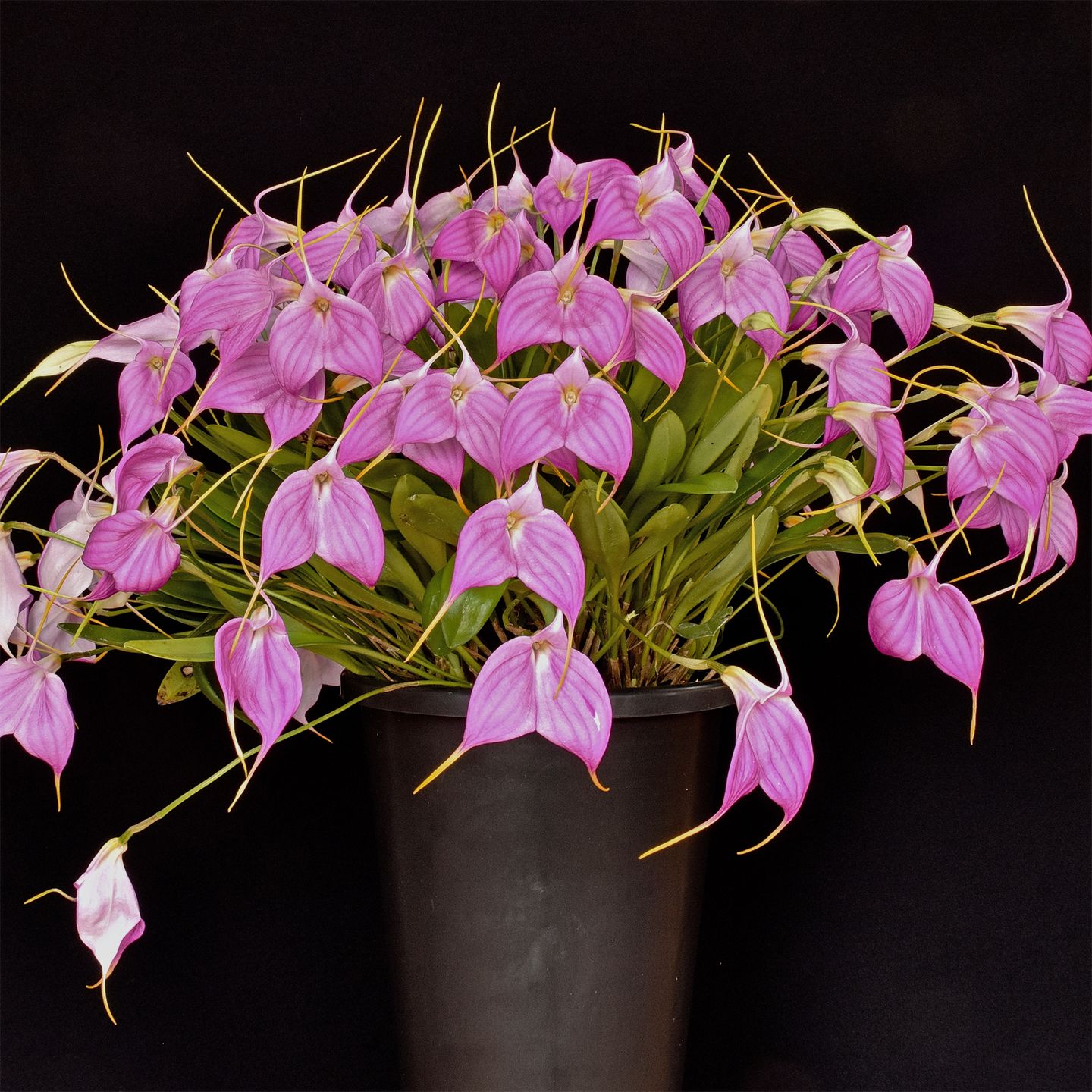
Masdevallia Bella Donna 'Linley' CC/NZOS
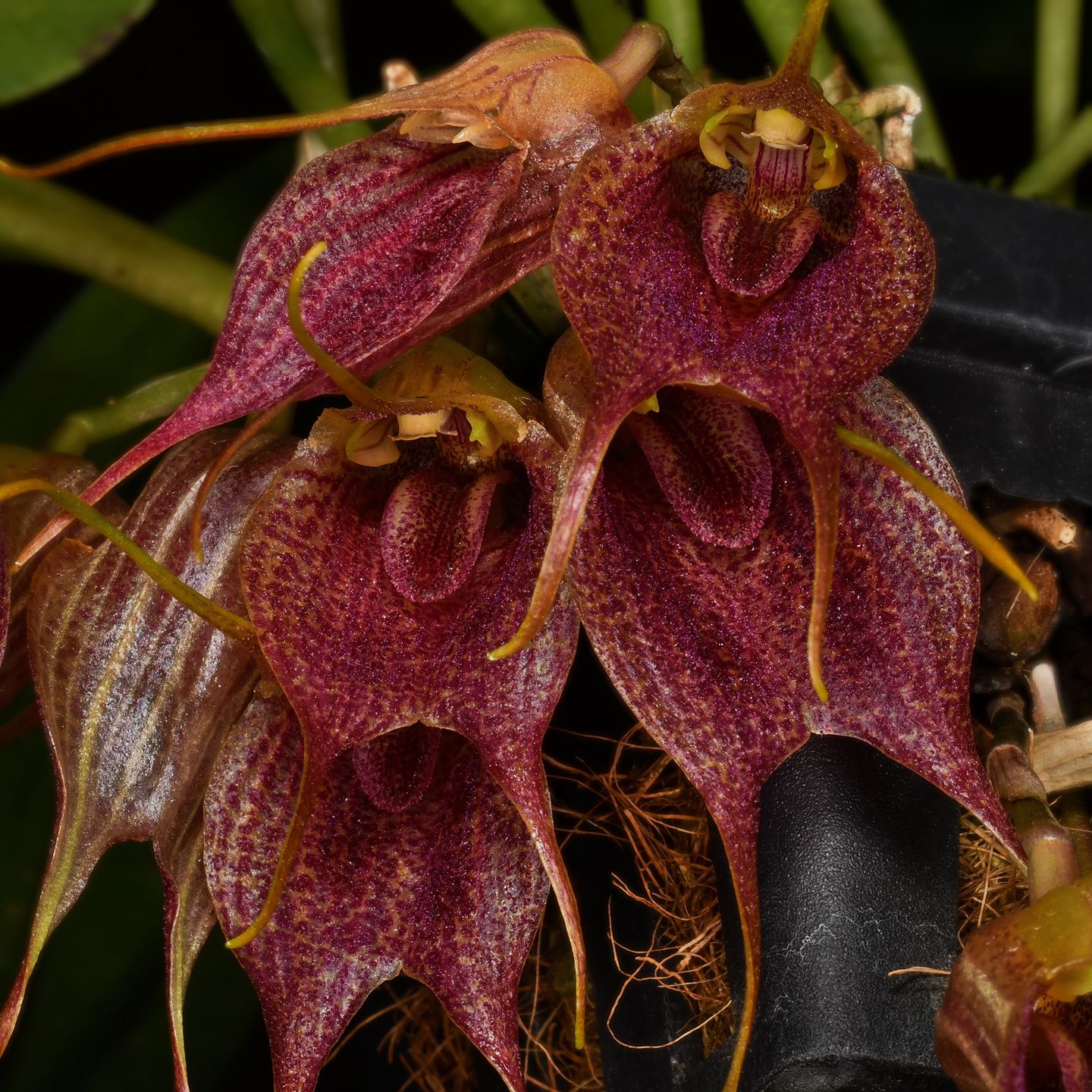
Masdevallia angulata 'Sincere' CC/NZOS
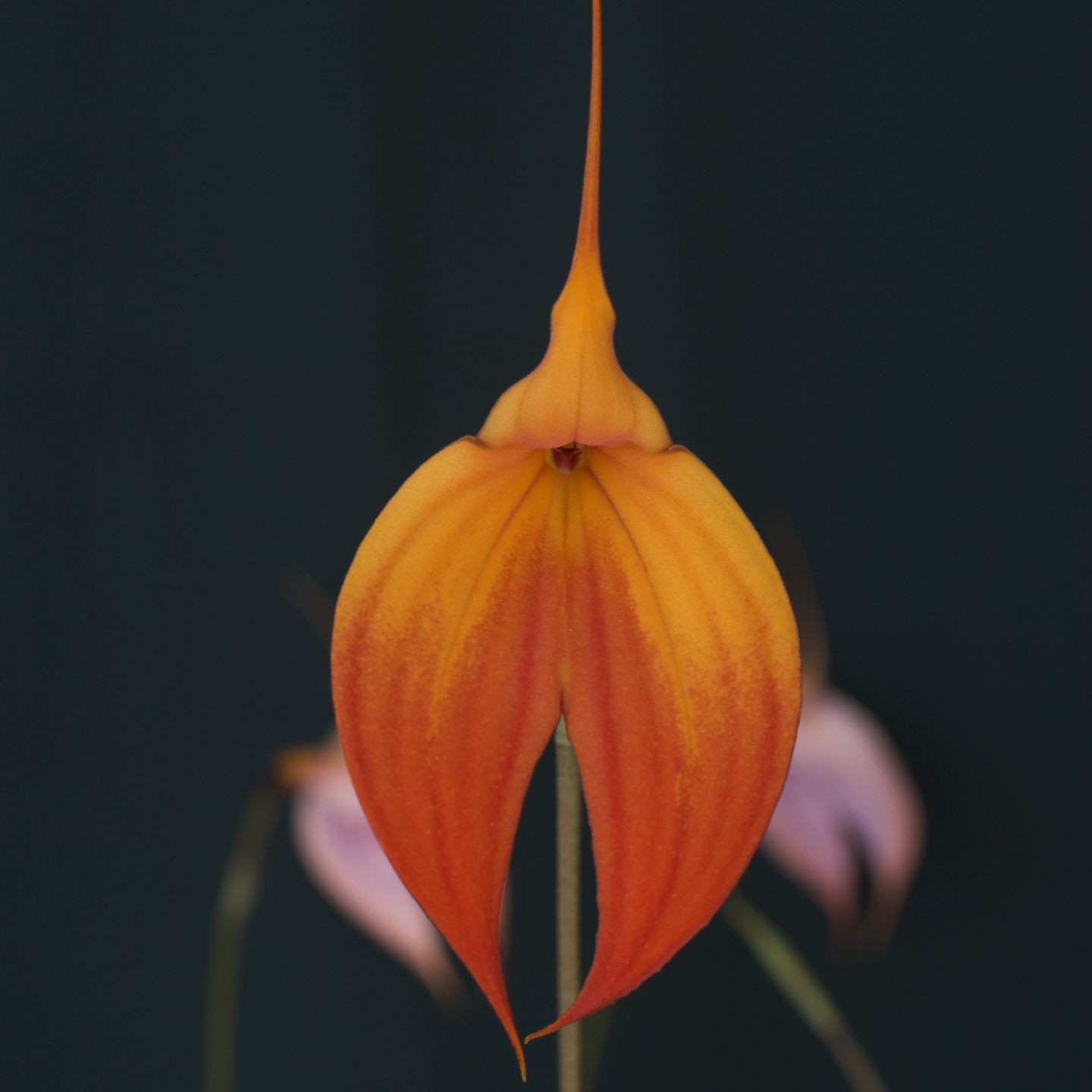
Masdevallia Falcata 'Sunset' AM/NZOS
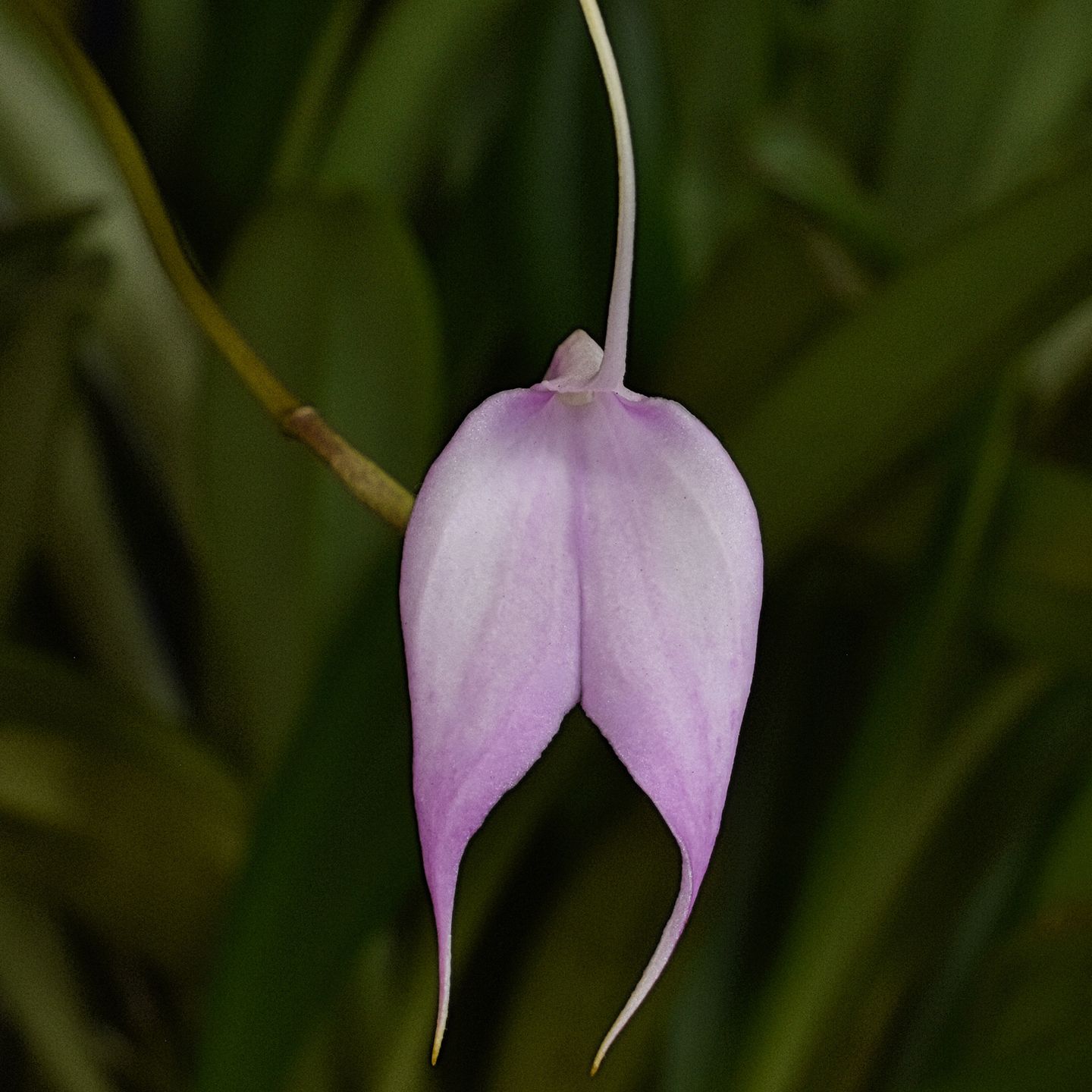
Masdevallia Jeanette 'Daintiness' CC/NZOS
Light
Masdevallia light should be like Phalaenopsis and Paphiopedilum orchids. Aim for bright shade, not hot sun. They can handle stronger light only if the growing area stays cool. In a home, an east window works well, or a shaded south-facing window. Under lights, they grow well under standard fluorescent-style fixtures. In summer (December to February), they can go outside in shade.
Temperature
Masdevallia orchids prefer cool to intermediate temperatures. If it stays hot for long periods, the plant can slowly decline. Cool evenings help. Aim for night temperatures around 13–16°C, and day temperatures around 18–24°C. Try to avoid day temperatures above 27°C.
Water
Water matters a lot because these orchids do not store much water in their leaves. The roots should be allowed to become almost dry before watering again. If the pot drains well, lightly moist roots are often fine. Use good-quality water that is low in dissolved salts.
Humidity
Humidity helps Masdevallia orchids stay strong. A good target is 60–80%. In the home, place pots on a tray of gravel with water in the bottom (so the pot is not sitting in water). In an enclosed grow area, a humidifier can help. If plants go outdoors in summer, extra misting and more frequent soaking may be needed, especially in dry weather.
Fertiliser
Feed once a week all year round using a weak mix. In winter (June to August), the feeding interval may be longer than one week. This depends on how long the potting mix takes to dry out.
Use one of these fertilisers:
- Superthrive Grow 7-9-5 (for active growth)
- Superthrive Orchid-Pro 7-8-6 (orchid-focused)
Dilution rate: 1 mL to 1.5 mL per litre of water.
Potting
Repot in winter or early spring in New Zealand (about June to September), before summer heat. Repot every 1 to 2 years before the mix breaks down. Many growers use fine-grade orchid bark, tree fern fibre, or sphagnum moss, in plastic pots. Place the newest growth away from the pot edge so there is room for new growth. Keep humidity high after repotting, and keep the mix only slightly dry until new roots form.
Kiwi Orchid Bark and Orchid Potting Mix can be purchased from Bio Leaf:
Insect Control
Common pests include mealybug, scale, aphids, and fungus gnats. Check the leaf bases and under leaves. Remove pests early with a cotton bud and soapy water, or use a suitable orchid-safe spray. Improve airflow and avoid leaving the potting mix soggy for long periods.
Disease Control
Most problems start when the plant stays too warm, too wet, or has low airflow. Watch for black spots, soft rot, or sudden collapse of new growth. Remove damaged parts, improve airflow, and let the potting mix dry slightly more between waterings. Use clean tools when cutting and repotting.
If they would like to learn more about growing orchids, think about coming to the next NZOS meeting. Meetings are a good place to see well-grown Masdevalia orchids, ask questions, and learn simple growing habits that work in New Zealand.
Return to the Orchid Culture Page