
Growing Lycaste Orchids in New Zealand
Lycaste is an orchid with thick bulbs and pleated leaves. Some types keep leaves all year, and some drop leaves in winter. Care changes a little with each type.
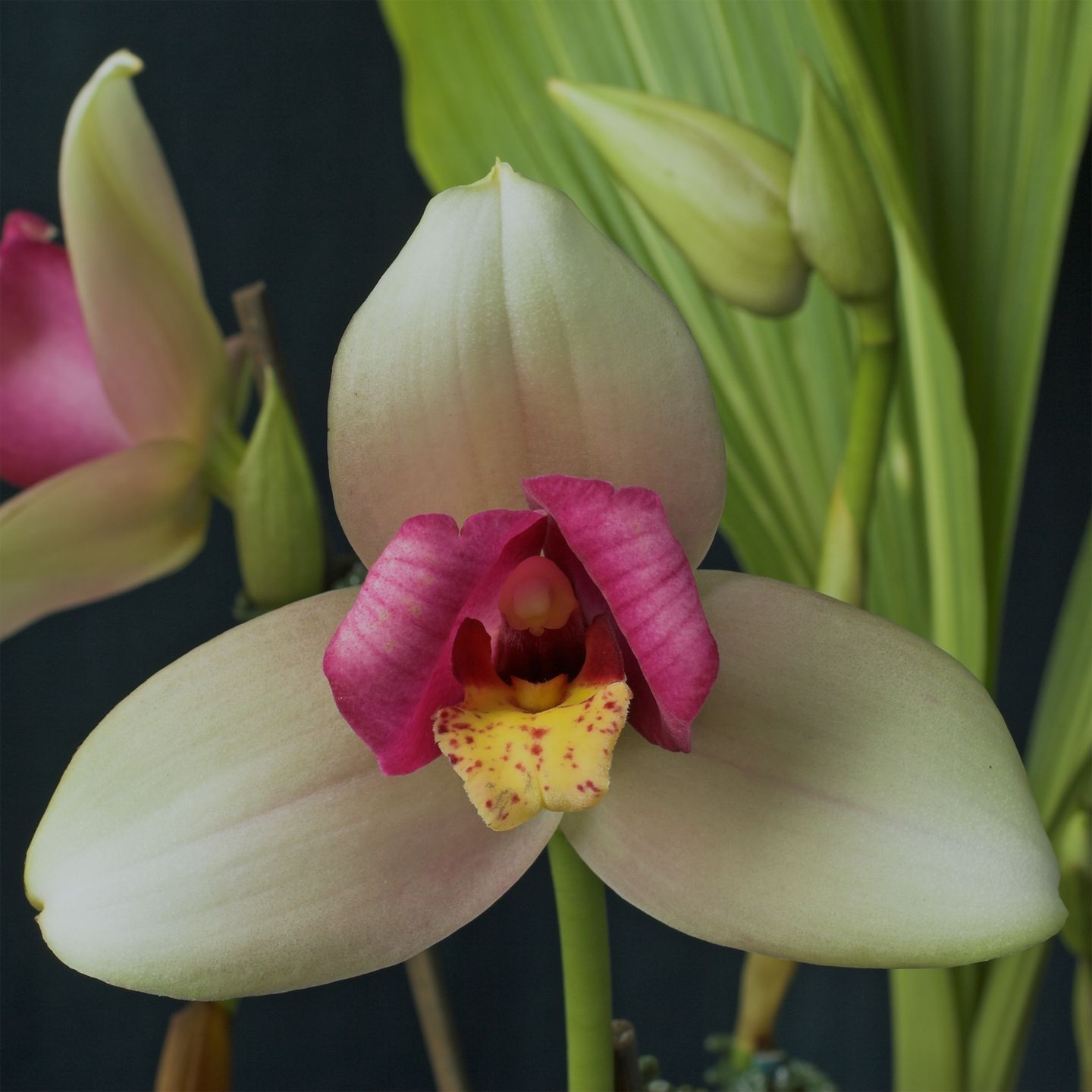
Lycaste Spring Rainbow 'Susan' AM/NZOS
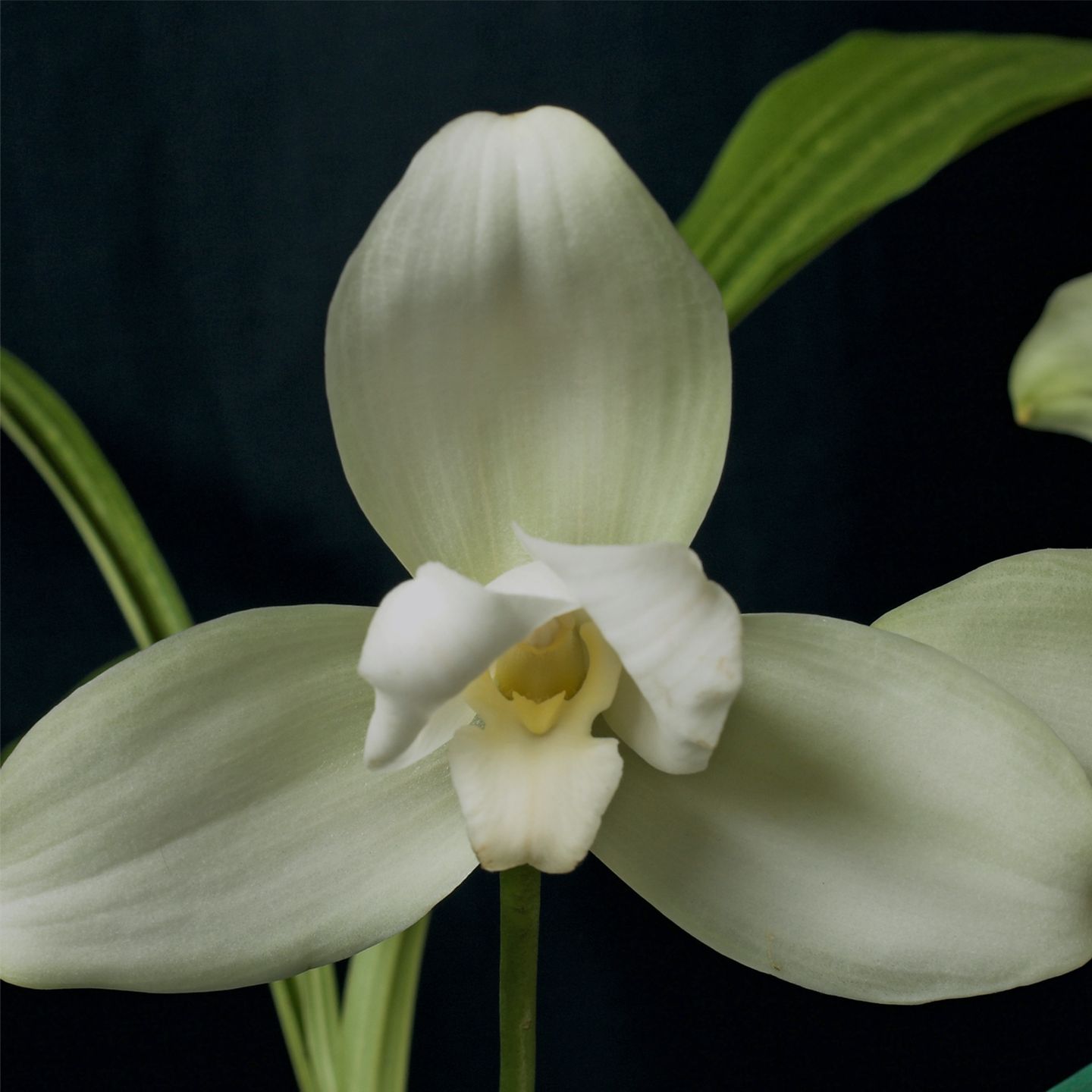
Lycaste Koolena 'Joyce' AM/NZOS
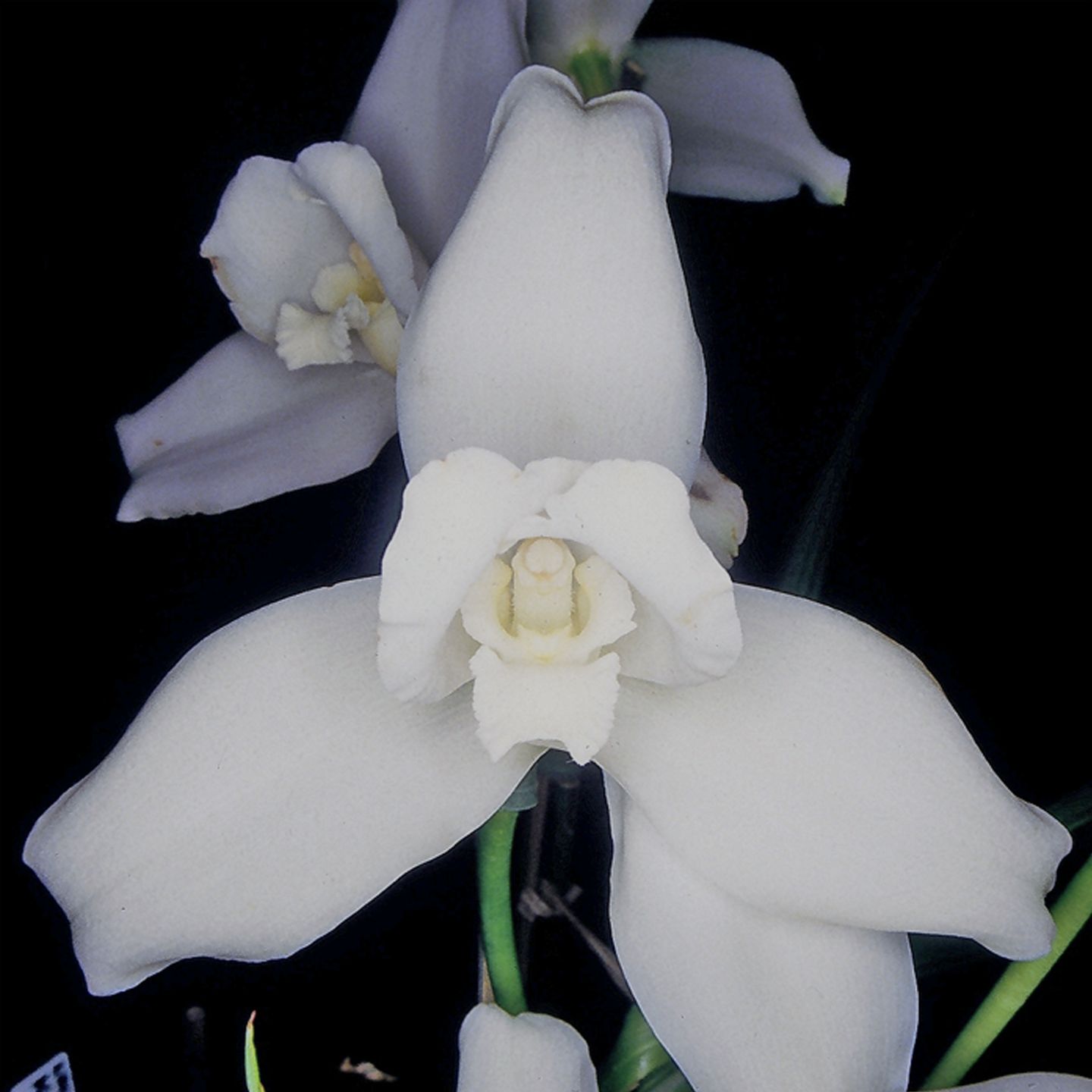
Lycaste Koolena 'Ballerina' CC & HCC/NZOS
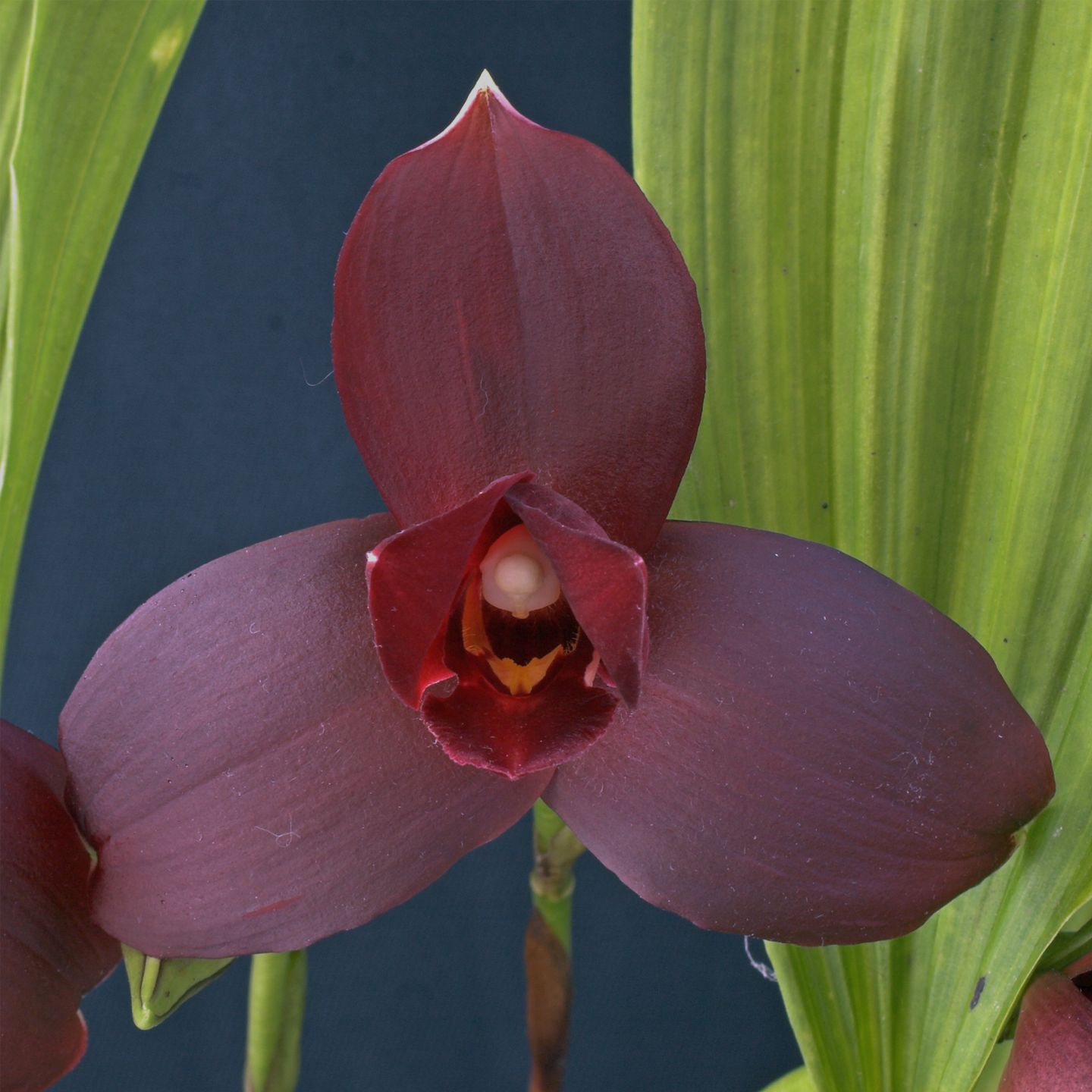
Lycamerlycaste A. Alcorn 'Scarlet O'Hara' AM/NZOS
Light
Lycaste orchids like bright light, but not harsh sun.
- Deciduous Lycaste (drops leaves): give brighter light as new growth starts in spring (September to November) and through summer (December to February).
- Evergreen Lycaste (keeps leaves): give slightly lower light all year.
If leaves turn yellow fast or burn, the light is too strong. If growth is weak and soft, the light is too low.
Temperature
Lycaste orchids do best in mild temperatures.
- Evergreen Lycaste: nights about 16°C, days about 24–27°C.
- Deciduous Lycaste: can handle warmer days up to about 35°C in summer, and cooler nights down to about 10°C when resting in winter (June to August).
Keep plants out of hot, still air.
Water
Water depends on the season and the type.
- Active growth (usually summer in NZ): water well, then let the mix start to dry a bit before watering again.
- Deciduous Lycaste in winter (leafless): keep almost dry. Give only small sips if bulbs shrivel.
- Evergreen Lycaste after bulbs finish forming: water a little less than normal, but do not let it dry right out.
Try to keep water out of new growths and off the leaves to reduce rot and leaf marks.
Humidity
Aim for 40% to 70% humidity. Deciduous types need less humidity during winter rest. Use gentle airflow to help keep leaves clean and reduce spotting.
Fertiliser
Feed lightly and regularly.
- Use Superthrive Grow 7-9-5 or Superthrive Orchid-Pro 7-8-6.
- Mix at 1 mL to 1.5 mL per litre of water.
- Feed once a week all year.
- In winter, the feed gap may be longer than one week. It depends on how long the potting mix takes to dry.
Water first if the mix is very dry.
Potting
Repot when new growth starts in spring (September to November). Use a fine, free-draining orchid mix and keep the plant firm in the pot. After repotting, keep humidity up and keep the mix on the drier side until new roots grow.
For potting supplies, Kiwi Orchid Bark and Orchid Potting Mix can be purchased from Bio Leaf:
Insect Control
Common pests on Lycaste orchids include mealybugs, scale, and mites.
- Check under leaves, around bulbs, and at the base of new growth.
- Wipe pests off early with a damp cloth.
- If needed, use a suitable orchid-safe spray and repeat as directed.
Good airflow helps reduce pest build-up.
Disease Control
Lycaste can get rot and leaf spotting.
- Avoid water sitting in new growths.
- Remove old, dead leaves and old sheaths that trap moisture.
- Keep airflow steady and do not crowd plants.
- If spotting spreads, remove the worst leaves and adjust watering and airflow.
Learn More About Lycaste Orchids
If they would like to learn more about growing orchids, think about coming to the next NZOS meeting. Meetings are a good place to see well-grown Lycaste orchids, ask questions, and learn simple growing habits that work in New Zealand.
Return to the Orchid Culture Page