
Vanda Orchid Care Guide for New Zealand
Vanda orchids belong to a group of warm-growing orchids from tropical Asia. They produce bright, colourful flowers and grow well in the warmer parts of New Zealand. In Auckland and Northland, growers keep them outdoors under shade cloth or in a lath house during summer. In cooler regions, they do better in a heated greenhouse year round. Smaller types called ascocendas suit New Zealand conditions and are easier to manage outside the tropics.
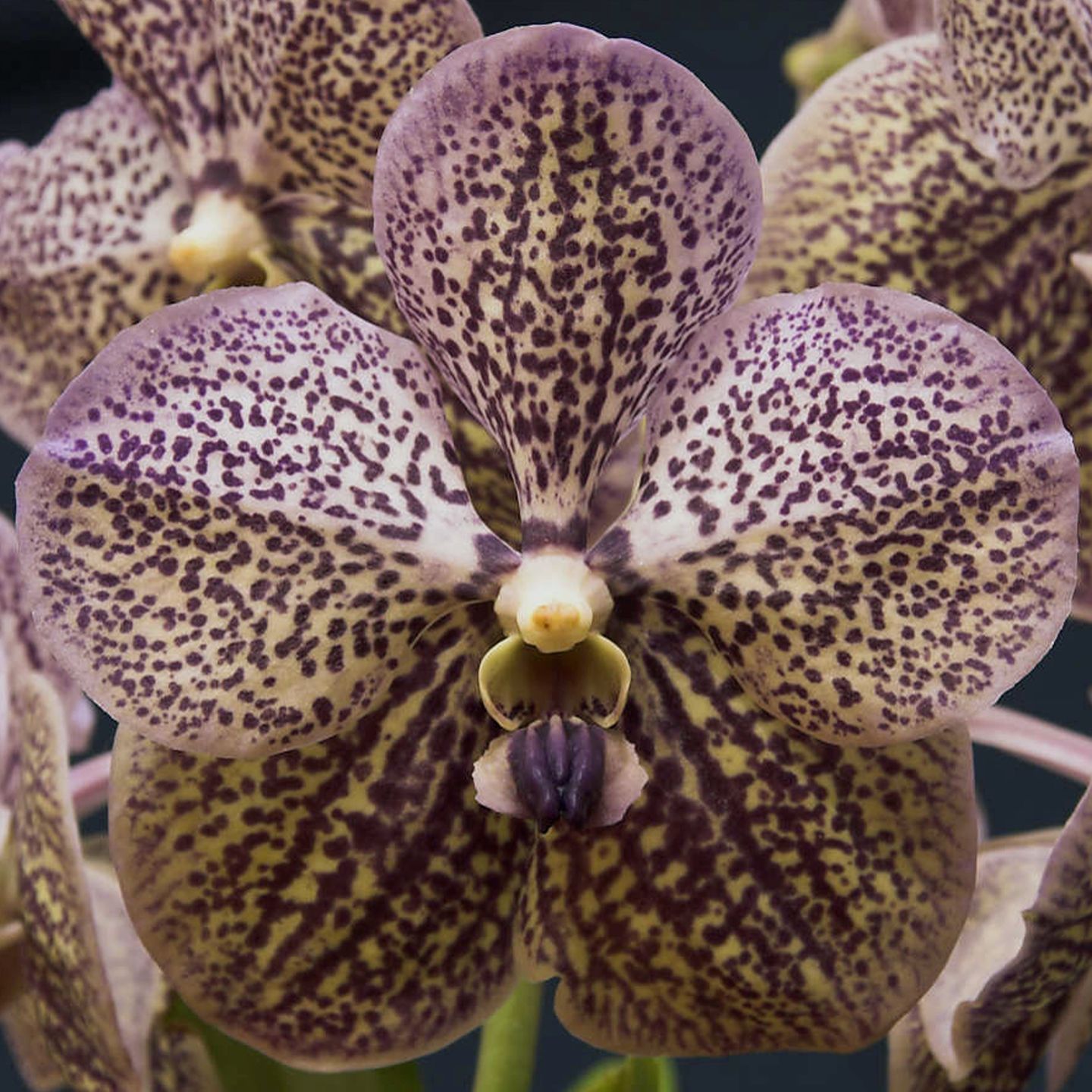
Vanda Midnite Passion
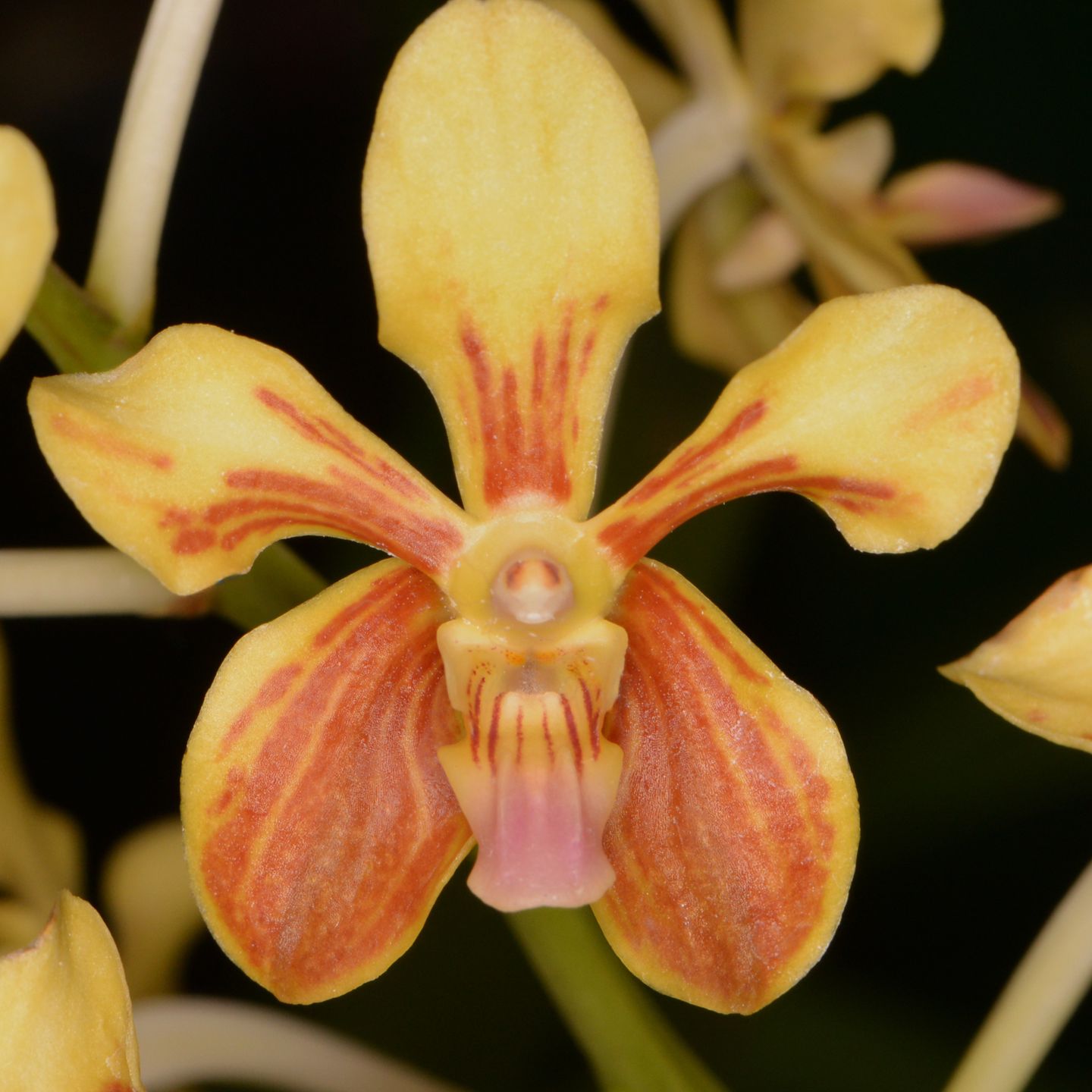
Vanda lamellata var remediosae 'Ruru' HCCNZOS
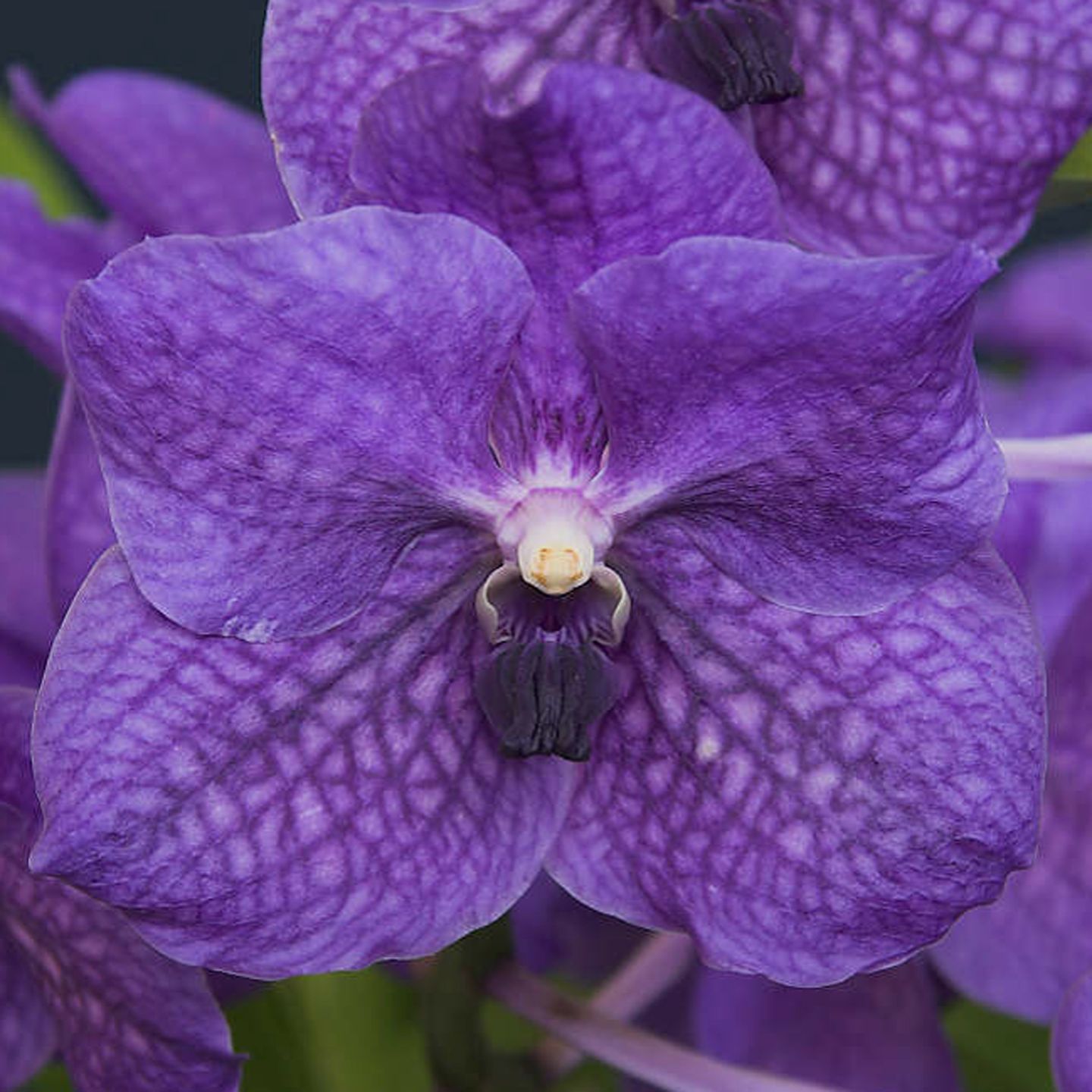
Vanda rothschildiana
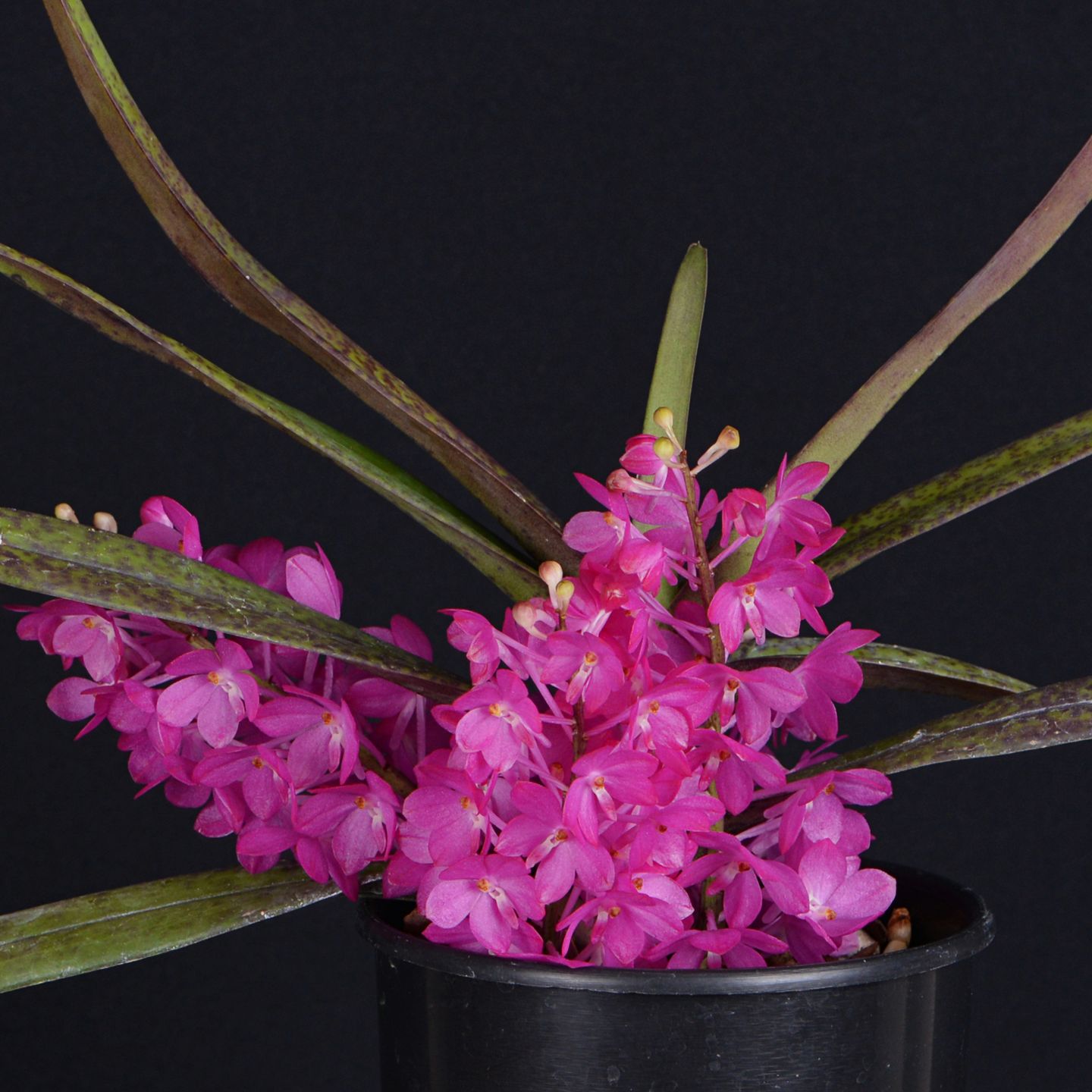
Vanda ampullacea 'Albany' HCCNZOS
Light Requirements for Vanda Orchids
Light is the main factor in getting a Vanda orchid to flower. There are three leaf types. Strap-leaved vandas have broad, flat leaves. Terete vandas have round, pencil-shaped leaves. Semi-terete vandas sit between the two.
Terete types need full sun. They grow best in high-light areas like Northland. In a greenhouse, give all types about 25 to 35 percent shade. Reduce shade in winter (June to August) when skies are overcast. Leaves should look medium green. Dark green leaves mean the plant needs more light.
In warm, bright parts of New Zealand, grow strap-leaved and semi-terete types outdoors with partial shade, especially at midday from November to February. Bring them inside to a bright north-facing window when temperatures drop. In regions with grey winters like the Waikato or Southland, try ascocendas instead. Move them outdoors in summer and give full sun indoors through winter. Always acclimatise plants slowly to avoid sunburn.
Temperature for Vanda Orchids
Vanda orchids need warmth. Keep winter night temperatures above 13 degrees Celsius. Short cold snaps are fine if there is no wind. The best night temperature range is 15 to 21 degrees Celsius. Daytime temperatures up to 35 degrees Celsius are fine.
Warmer conditions push faster growth. This means the plant needs more water, more humidity, and better air movement to keep up.
Watering Vanda Orchids
Water Vanda orchids heavily during the growing season from September to March. The roots must dry out quickly between waterings. This is why most growers use slatted wooden baskets or pots with coarse potting mix.
In warm, sunny weather, water daily. Cut back in winter (June to August) and during cloudy spells. Wet roots in cold conditions lead to rot.
Humidity for Vanda Orchids
Aim for 80 percent humidity around your Vanda orchid. In a greenhouse, an evaporative cooler helps. Indoors, set plants on trays of gravel partly filled with water. Good air movement is essential at all times. Stagnant, humid air invites fungal problems.
Fertiliser for Vanda Orchids
Feed your Vanda orchid once a week all year round with Superthrive Grow 7-9-5 or Superthrive Orchid-Pro 7-8-6. Mix at a rate of 1 mL to 1.5 litres of water.
In winter, the feeding interval gets longer. Wait until the potting mix dries out before feeding again. This could be every 10 to 14 days depending on your conditions.
Potting Vanda Orchids
Repot Vanda orchids in spring, around September to October in New Zealand. Plants in baskets rarely need repotting. Leave them alone unless the potting mix has broken down.
To repot a basket plant, soak the whole thing in water first. This softens the aerial roots and makes them easier to work with. Then set the old basket inside a larger one.
For potted plants, move to a slightly larger pot. Centre the plant and pack coarse mix around the roots. Use bark, tree fern fibre, or charcoal. Kiwi Orchid Bark and Bio Leaf Premium Orchid Potting Mix work well and are available from Bio Leaf. Keep the plant shaded and humid after repotting but water less at the roots until new root tips appear. Do not overpot.
Learn More About Vanda Orchids
If they would like to learn more about growing orchids, think about coming to the next NZOS meeting. Meetings are a good place to see well-grown Vanda orchids, ask questions, and learn simple growing habits that work in New Zealand.
Return to the Orchid Culture Page