
Miltonia Orchid Care in New Zealand
Miltonia orchids (including Miltoniopsis) can flower well in New Zealand if they get steady moisture, good airflow, and the right temperature range. They do best when they are not too hot and not too cold.
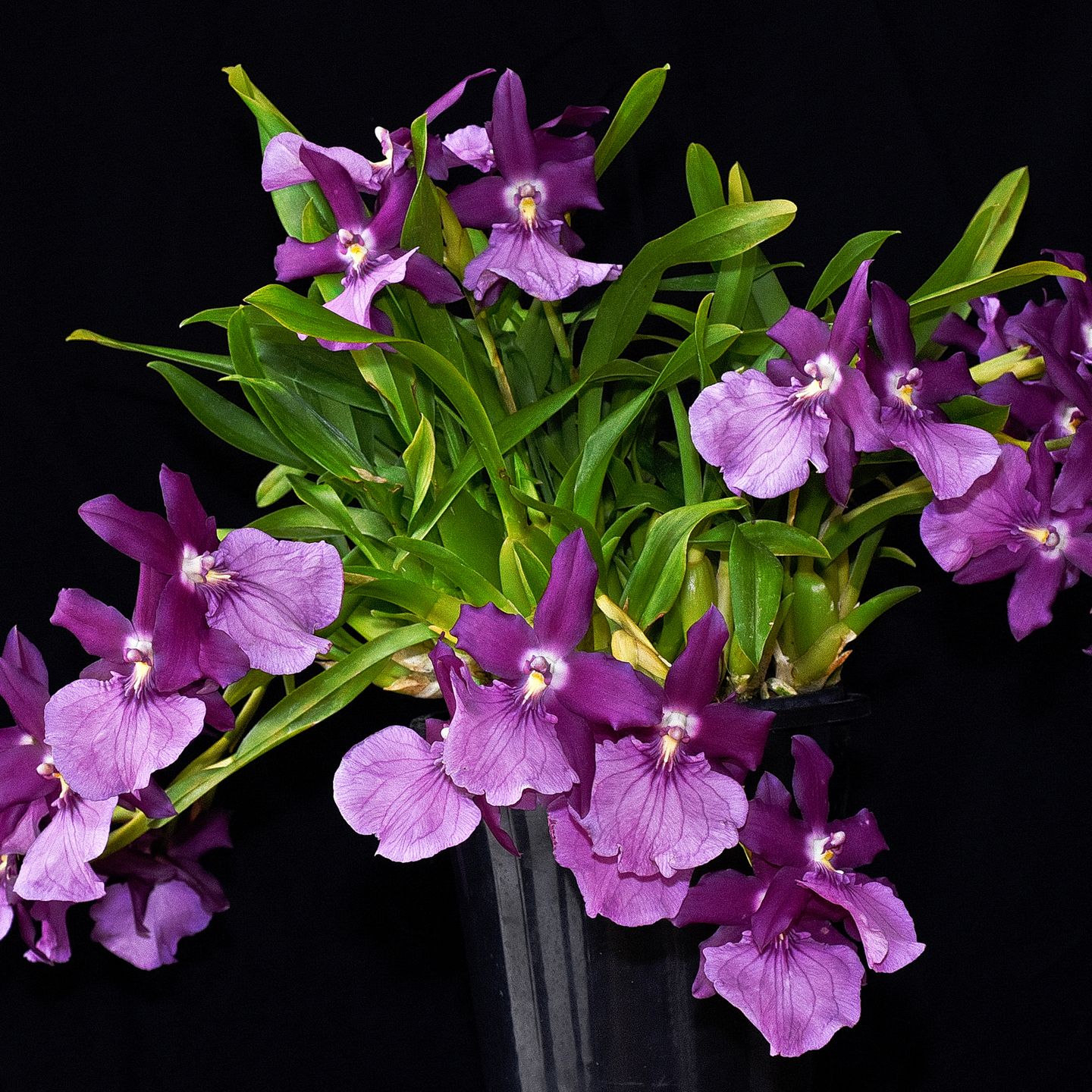
Miltonia Eljahar ‘Bryan’ CC/NZOS
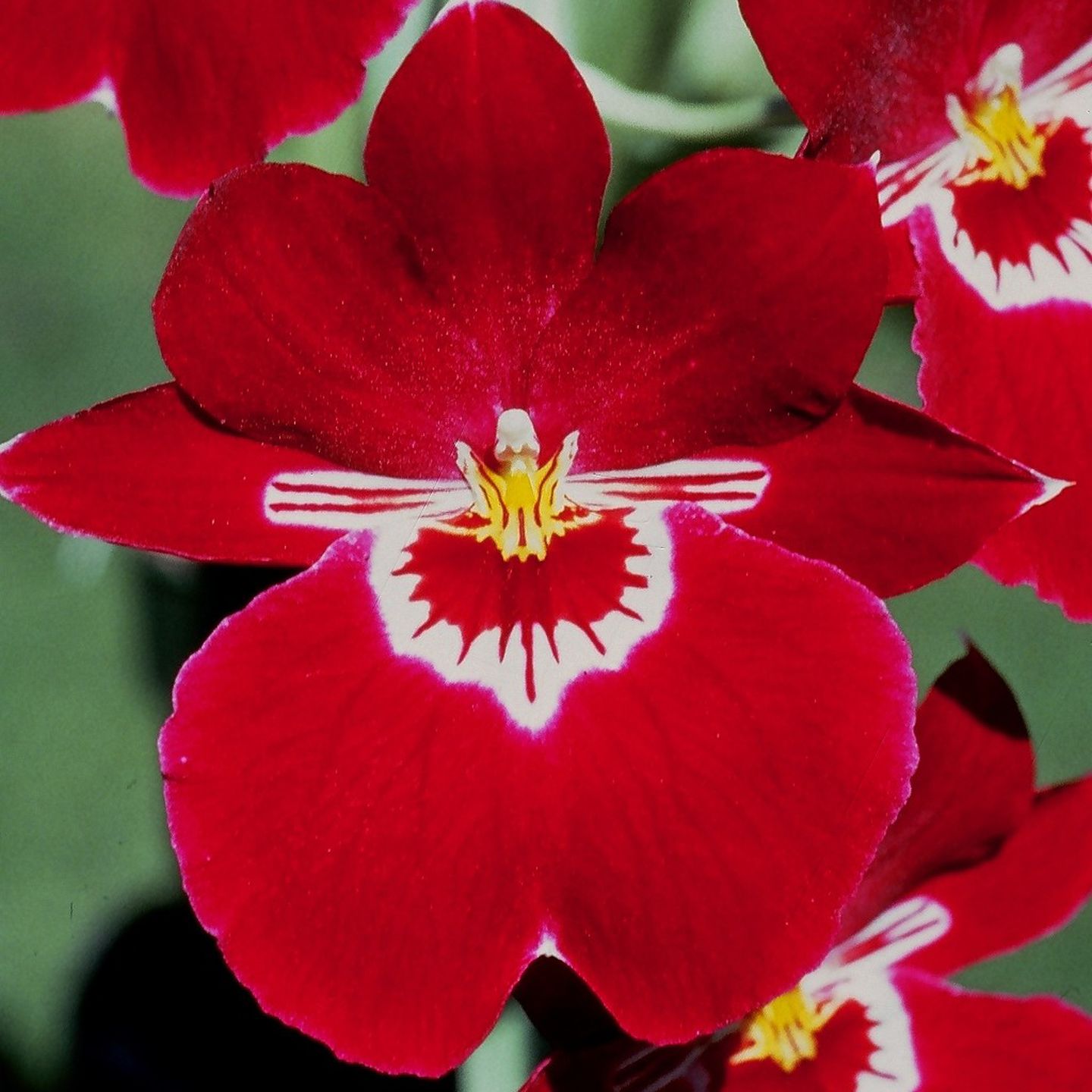
Miltoniopsis Pukekura ‘Marise Clare’ HCC/NZOS
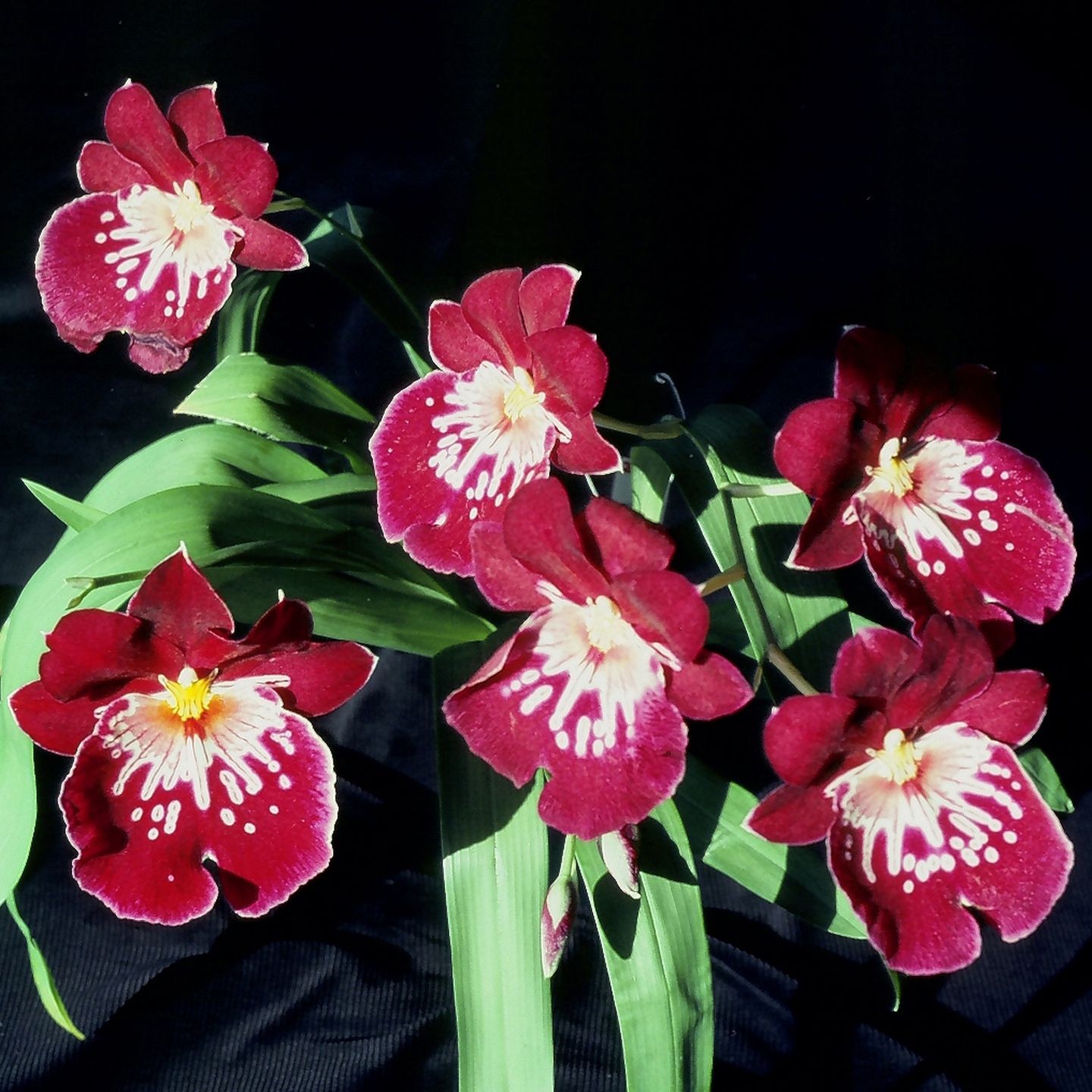
Miltonia Celle ‘Wasserfall’ CC/NZOS
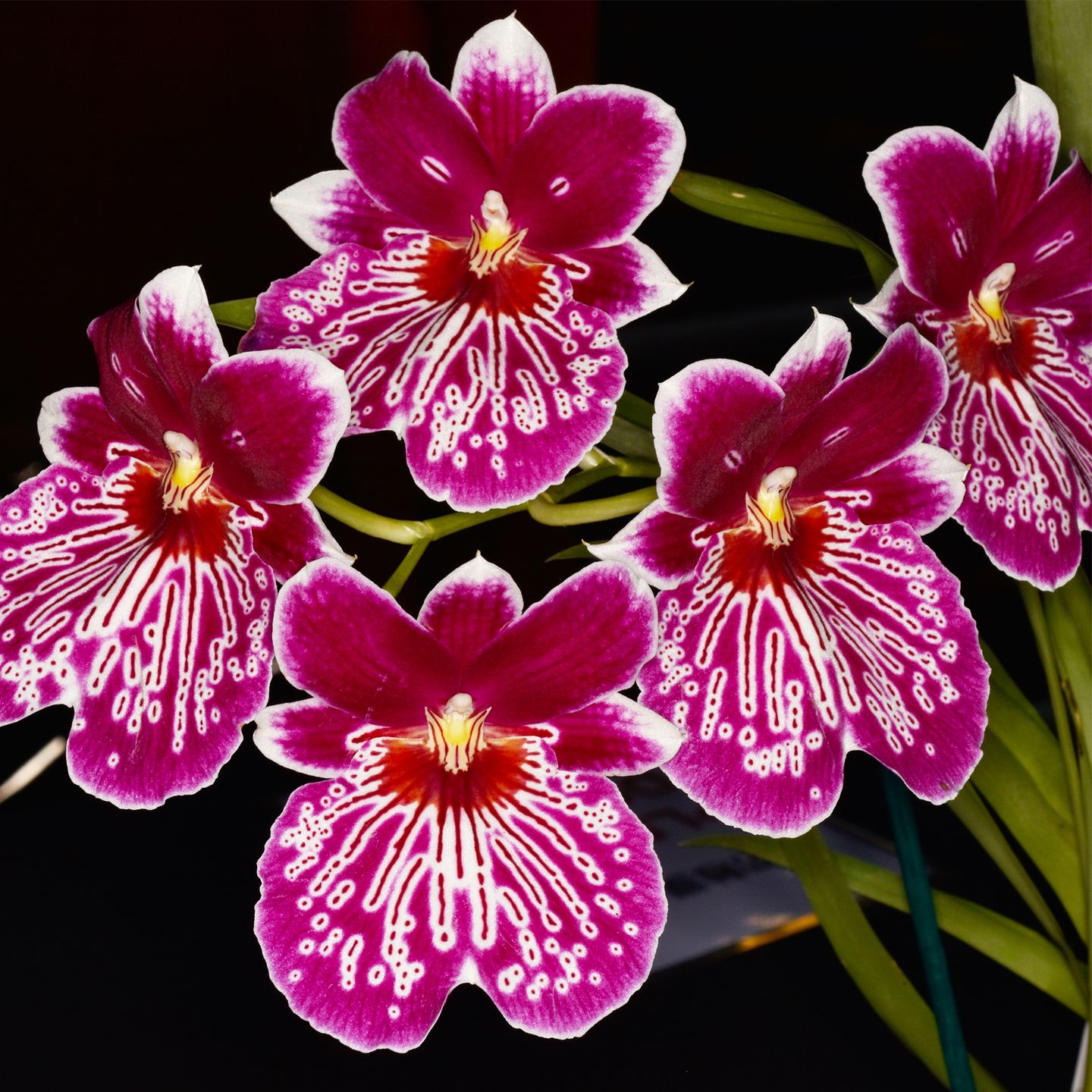
Miltoniopsis Lawless Falls ‘Celeste’ HCC/NZOS
Light
Miltonia orchid leaves burn fast in direct sun. They should sit in bright shade, with filtered light. Warmer-growing types can take a little more light than cool-growing types, but strong midday sun should still be avoided.
Temperature
Temperature control matters for Miltonia orchids.
Cool-growing types (often Miltoniopsis): They may not flower if kept over about 27°C for long periods. They prefer nights around 10–13°C.
Warmer-growing types (often Miltonia): They can handle warm days up to about 32°C, but only if humidity stays high (about 70–75%). They prefer nights above about 16°C.
In New Zealand, protect plants from hot, dry summer air and from cold winter drafts.
Water
Miltonia orchids need regular watering, but the potting mix must drain fast. In growth periods, they may need frequent watering. If the plant is too dry, the leaves can grow with pleats like an accordion.
They do not like salt build-up. It helps to flush the pot well with plain water every 4th or 5th watering, so old salts wash out.
Warmer-growing types can be allowed to get close to dry before watering again. Cool-growing types usually prefer more even moisture.
Humidity
Aim for humidity of at least 70%. If the humidity is low, the plant gets stressed and is more likely to get a disease. Good airflow is still needed because stale, wet air can cause problems.
Fertiliser
A Miltonia orchid can be fed all year.
Use Superthrive Grow 7-9-5 or Superthrive Orchid-Pro 7-8-6 at 1.0–1.5 mL per 1 L of water. Feed once a week.
In winter, the feeding gap may need to be longer than one week. This depends on how long the potting mix takes to dry out.
Potting
Repot after flowering when new growth starts. In New Zealand, this often lines up with early spring (around September), but it depends on the plant and the growing space.
Use a fine, free-draining orchid mix that suits fine roots. Shallow pots or pans can work better than deep pots. Some warmer-growing Miltonia types also do well mounted, because they like fast drying and high airflow.
For potting materials, Bio Leaf Premium Orchid Potting Mixes and Kiwi Orchid Bark can be purchased from Bio Leaf.
Insect Control
Common orchid pests in New Zealand include thrips, mealybugs, scale, and spider mite. Check under leaves and around new growth. Remove pests early, isolate the plant if needed, and keep airflow steady.
Disease Control
Miltonia orchids can get leaf spotting and rot if the mix stays wet and airflow is poor. Let water drain fully, avoid leaving water sitting in the crown, and increase airflow during cool, damp weather.
Learn More About Miltonia Orchids
If they would like to learn more about growing orchids, think about coming to the next NZOS meeting. Meetings are a good place to see well-grown Miltonia orchids, ask questions, and learn simple growing habits that work in New Zealand.
Return to the Orchid Culture Page